Get Full Government Meeting Transcripts, Videos, & Alerts Forever!
Get email alerts on the Hb 5041 Oya Budget topic
No spam. Unsubscribe anytime.
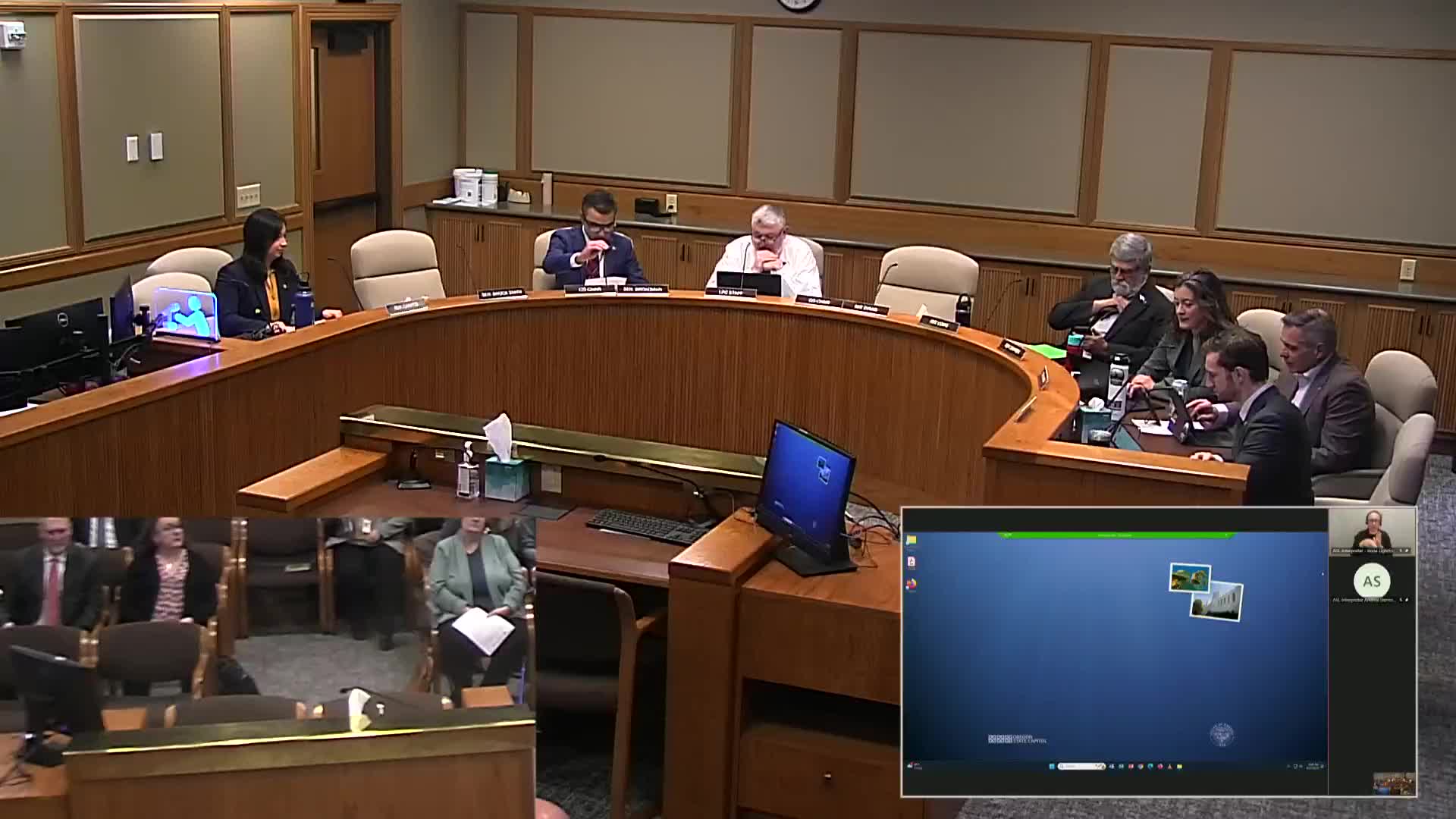
Committee hears public testimony on HB 5041, Oregon Youth Authority budget
Summary
At a March 27 Public Safety Committee hearing on House Bill 5041, providers, county juvenile directors and unions urged the committee to preserve current service levels, modernize the JAGES information system and fund reentry and staffing supports for youth in the Oregon Youth Authority system.
The Oregon Public Safety Committee held a public hearing Thursday, March 27, on House Bill 5041, the Oregon Youth Authority's primary budget bill, and heard more than a dozen registered speakers testify in favor of preserving service levels, modernizing the juvenile justice case management system and investing in reentry and frontline staffing.
Supporters at the hearing included county juvenile department directors, behavioral health and residential service providers, AFSCME and SEIU union representatives, and family- and community-based program staff. Kimberly Broton, program director of Oregon Community Programs and co-chair of the Oregon Alliance of Children's Programs juvenile justice affinity group, told the committee that continuing funding for behavioral rehabilitation services allows providers to deliver counseling, school support and family therapy and to “interrupt escalations to the juvenile justice system.” Broton also urged funding for a JAGES modernization project (referred to in testimony as POP 301) so referrals and placements can be managed more quickly.
“The referral process for programs like treatment foster care relies on the outdated JAGES system, which is clunky and slow and pulls time away from our staff,” Broton said. She also supported POP 551—dedicated staff to help youth move into independent living and secure housing after custody.
Molly Rogers, director of the Wasco County Department of Youth Services and the state's longest-serving juvenile director, said county juvenile departments handle more than 90% of youth involved in the juvenile justice system and that state basic and diversion dollars—though about 8% of county juvenile budgets—are critical to sustaining local services. Tracy Freeman, juvenile division manager for Clackamas County, described programs funded with those dollars, including a community monitoring program that serves 185 youth annually and Project Payback, which has generated more than $11,000 in restitution since June 2024.
Christina McMahon, Clackamas County Juvenile Department director and president of the Oregon Juvenile Department Directors Association, urged continued funding for the JAGES modernization project and described JAGES as a statewide system used by roughly 3,000 juvenile justice professionals. She said the current system can only be accessed at desks and that modernization would improve real-time decision-making in the community.
Union and employee representatives raised staffing and backlog concerns. Susan Allen of Oregon AFSCME testified that the union is concerned about a backlog of over 3,000 investigations and more than 700 client complaints awaiting processing, and that additional triage staff proposed in the budget do not appear to add direct workers who serve youth in the system. Anthony Castaneda of SEIU 503 said his union supports specific budget items, including additional group life coordinators at McLaren Youth Correctional Facility, Medicaid waiver support (POP 550), an interpretation services request (POP 103), JAGES modernization (POP 301) and closed-circuit TV updates (POP 302).
Several witnesses described increased acuity among youth served by community providers and the agency and said wage increases and facility renovations (POP 304, including McLaren Health Clinic repairs in testimony) are needed to sustain capacity and constitutionally required care.
Other testimony emphasized reentry supports. Vera Stolo, interim CEO of the Oregon Alliance of Children's Programs, urged approval of POP 551 to establish a reentry coordinator position and to fund rental assistance, financial literacy training and outreach so youth leaving custody can avoid homelessness and instability.
Several county directors described how basic and diversion funds are used: for short-term stabilization, specialized caseloads, mental health and substance use assessments, and prosocial activities that support rehabilitation in the community. Tory Lynn, juvenile department director in Linn County, cited Oregon Revised Statutes 419C.001 when summarizing the statutory purposes of juvenile justice—public safety, reducing juvenile delinquency and emphasizing rehabilitation and accountability.
A classroom teacher, Ty Rogers, testified in support of local juvenile departments and urged continued funding so youth have stable supports and supervision in the community.
Committee staff closed the public testimony portion after inviting additional written comment to be submitted within 48 hours. The co-chair ended the hearing without a committee vote; staff previewed a Monday informational hearing on Senate Bill 5533, the Oregon Military Department budget.
Why it matters: House Bill 5041 would fund the Oregon Youth Authority's operations and related community services. Testimony at the hearing centered on sustaining community-based programs, addressing a backlog of administrative complaints and investigations, modernizing the statewide juvenile case management system (JAGES), improving facility conditions and creating positions to coordinate reentry to reduce homelessness among youth leaving custody.
Votes or formal actions: The committee opened and then closed a public hearing on HB 5041; no committee vote on the bill occurred during this meeting. The committee accepted additional written testimony for 48 hours following the hearing.