Get Full Government Meeting Transcripts, Videos, & Alerts Forever!
Get email alerts on the Educator Workforce Diversity topic
No spam. Unsubscribe anytime.
Bill to direct $5 million toward recruiting educators with experience serving diverse populations draws support and constitutional questions
Summary
House Bill 3006 would allocate $5,000,000 from the Statewide Education Initiatives Account to grant incentives for hiring and supporting early‑career teachers and administrators with experience working with diverse student populations; proponents described workforce and equity goals, opponents raised equal‑protection concerns.
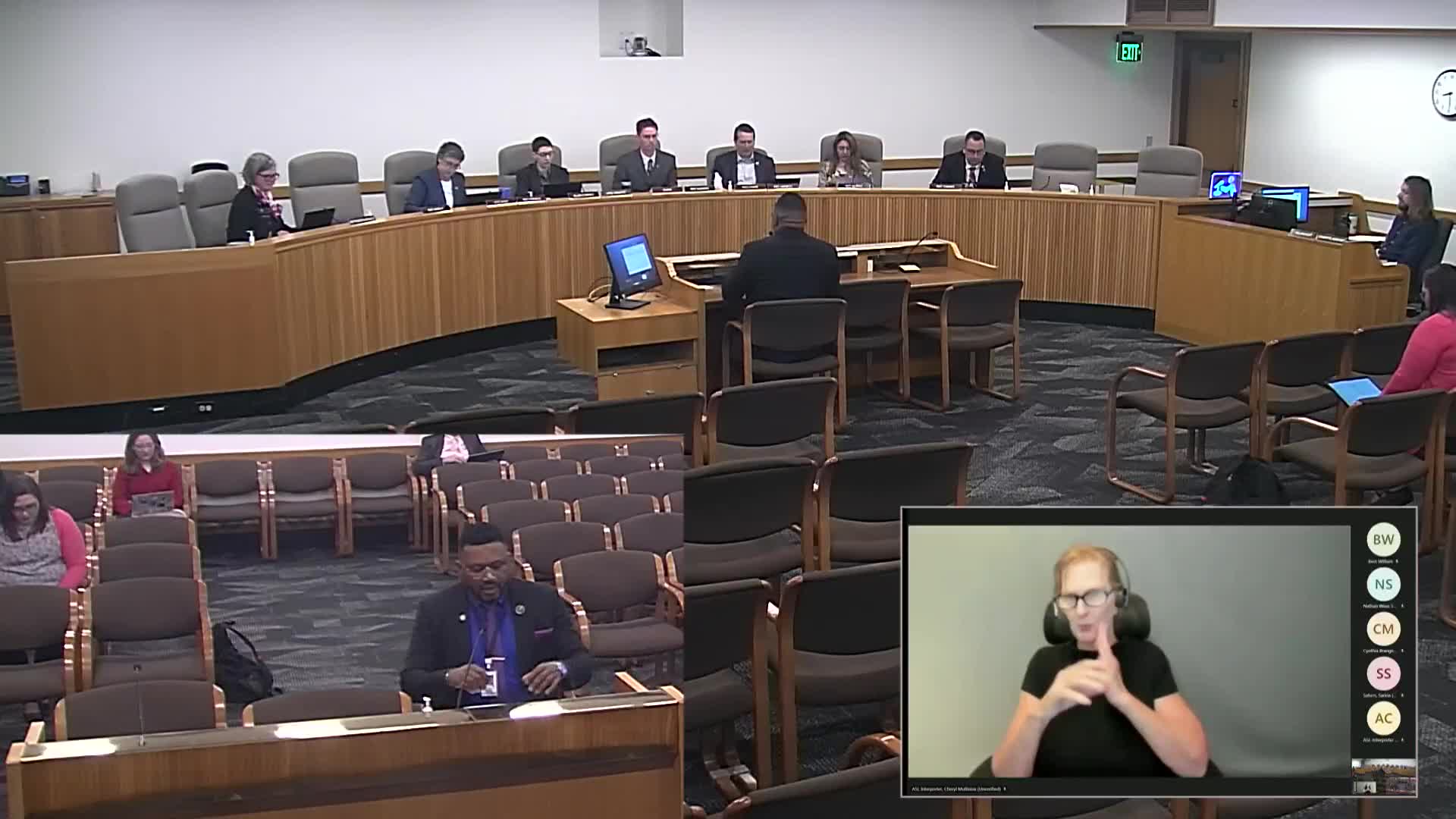
The House Committee on Higher Education and Workforce Development held a public hearing March 27 on House Bill 3006, which would direct $5,000,000 from the Statewide Education Initiatives Account to a grant program for recruiting, hiring and supporting new teachers and administrators who demonstrate experience working with diverse populations.
Representative Travis Nelson (D‑District 44), the bill’s sponsor, described the proposal as a continuation of work directed by House Bill 4052 (2022) and a top priority of the BIPOC caucus. "This legislation directs $5,000,000 to help recruit, hire and support new teachers and administrators in our schools who specifically bring lived experience working with diverse populations," Nelson said, adding the bill aims to pair funding with data improvements to monitor workforce trends.
Supporters from education organizations testified in favor. Nate Walscholl, senior administrator for career pathways and partnerships at Multnomah Education Service District, said the grants are "a game changing investment" that helps Oregon meet legislatively established educator diversity goals and counteract the high cost barriers to preparation. Cynthia Brander Munoz of the Oregon Education Association said the bill and its Dash 3 amendment—which focuses on educators within their first five years and prioritizes experience serving diverse students—address recruitment and retention gaps and will improve data sharing across agencies.
Several committee members and witnesses emphasized the potential classroom benefits of educators with direct experience working with culturally or linguistically diverse families, including increased family engagement and stronger school‑community connections.
A recurring line of questioning from Representative Juncker and others concerned the bill’s constitutionality. Juncker read into the record a legal opinion that had challenged the racial‑eligibility aspects of an earlier, related program and said the proposal risked repeating that error. Sponsor Nelson and HEC staff, and other proponents responded that the Dash 3 amendment and related drafting changes are intended to allow eligibility to be based on demonstrated experience rather than an applicant’s race or other protected characteristic.
The committee took testimony from school‑district and union representatives but did not vote on the bill at the hearing. Witnesses asked the committee to advance the bill with the posted amendments; staff said the Department of Education would coordinate rulemaking and data improvements with TSPC, the Educator Advancement Council and HEC if the bill advances.