Get Full Government Meeting Transcripts, Videos, & Alerts Forever!
Get email alerts on the Program Operations topic
No spam. Unsubscribe anytime.
County weed program updates staffing, cost-share and outreach; survey response low
Summary
San Miguel County staff reported two seasonal hires and a new assistant manager, confirmed a $5,000 county cost-share pool, and described outreach plans after a public survey received only about 20 responses as of mid-March.
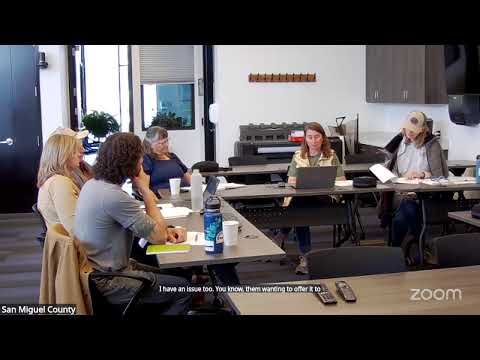
County staff updated the San Miguel County Noxious Weed Advisory Board on staffing, intergovernmental agreements, the county cost-share program and an ongoing public survey.
Julie told the board the program will have two seasonal employees for the first time in six years, and that the county hired an assistant manager (Josh Hanson). Staff said seasonal hires are expected to begin in May and run through September and that the assistant manager will help get early-season priorities done. The town of Norwood plans to handle its own agreement for noxious-weed work this season.
The board confirmed the county cost-share pool remains at $5,000 for the season. Staff described past outreach tools ("Weed of the Month" posters, trailhead notices, kiosks) and said they loan backpack sprayers to landowners and run a small cost-share program; lending equipment and applicator-training outreach were described as effective past approaches.
A county survey meant to guide outreach had only about 20 responses as of March 17; staff said the results showed many respondents believe neighbors are not managing weeds effectively and that respondents were split on whether San Miguel County should enforce weed laws. Board members urged more outreach via the Basin Forum, local paper and social media and suggested offering paper survey copies at libraries or the county office to reach older landowners.
Why it matters: Staffing increases, a funded cost-share program, and targeted outreach strategies affect the county's ability to manage invasive plants across private and public lands. Low public response to the survey limits the program's ability to shape outreach using resident input.
Next steps: Staff will increase outreach for the survey, coordinate additional publicity for the cost-share program, continue equipment loan and training efforts, and present updated survey results later in the year.