Get Full Government Meeting Transcripts, Videos, & Alerts Forever!
Get email alerts on the Education Coordination Council topic
No spam. Unsubscribe anytime.
Higher-education groups urge new California interagency council to center vulnerable students, teacher workforce
Summary
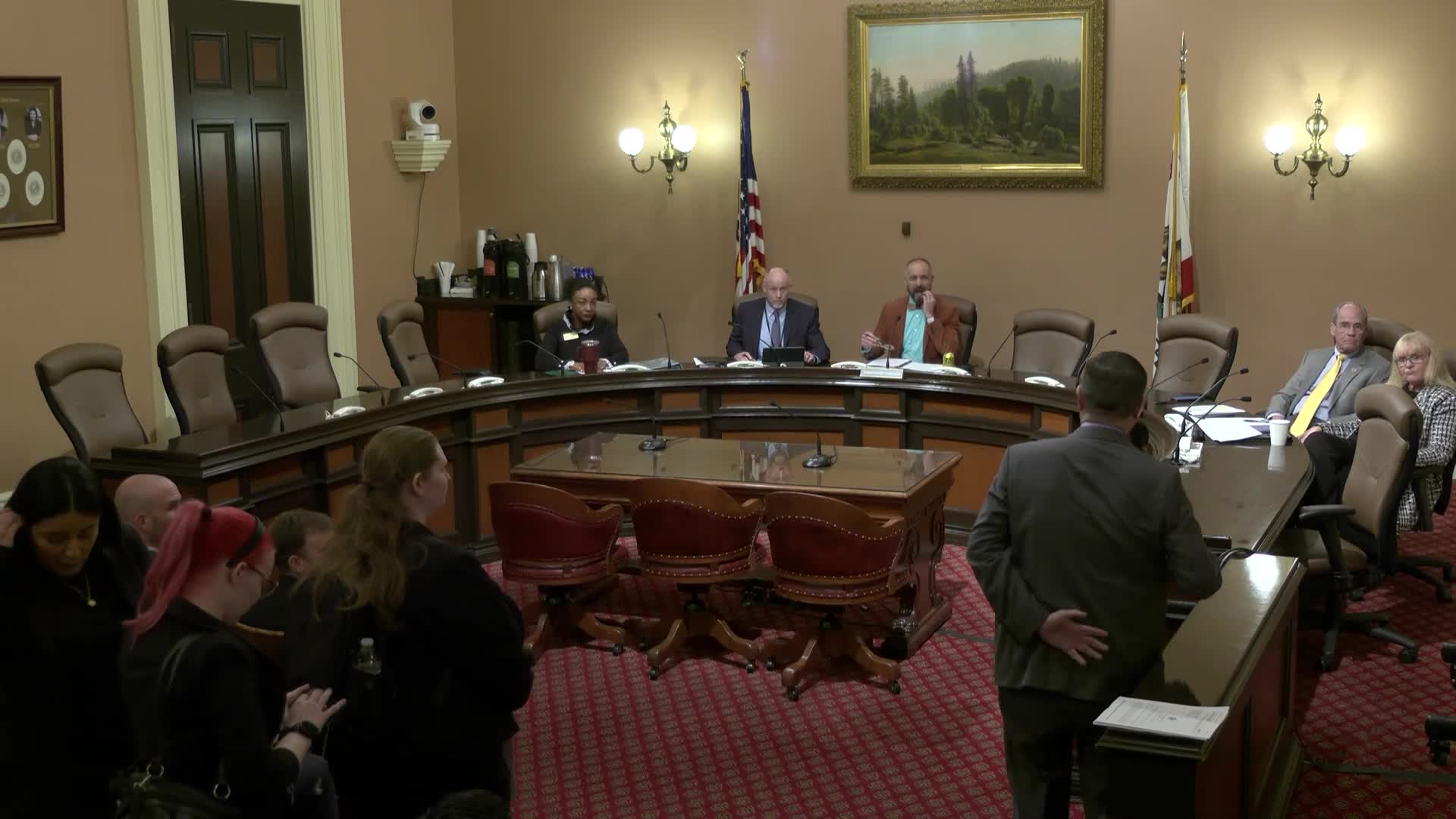
Dozens of higher‑education and student advocates told the Senate Budget and Fiscal Review Subcommittee No. 4 during public comment that the governor's proposal to establish and fund a California education interagency coordinating council should explicitly center vulnerable and historically disconnected students and address teacher workforce shortages.
Dozens of higher‑education and student advocates told the Senate Budget and Fiscal Review Subcommittee No. 4 during public comment that the governor's proposal to establish and fund a California education interagency coordinating council should explicitly center vulnerable and historically disconnected students and address teacher workforce shortages.
Speakers including Brian (Education Trust West), Cody VanFelden (John Burton Advocates for Youth), Wednesday Pope (a California college student and former foster youth) and Jessie Nandez Reyes (Campaign for College Opportunity) said the council should be designed to improve equity and ease transitions into postsecondary education and careers for low‑income students, foster youth and unhoused students. Several witnesses asked the subcommittee to adopt trailer‑bill language or amendments to ensure those populations are represented in the council's scope and membership.
"It is crucial that this council is designed to support all Californians, particularly our most vulnerable youth, those with experience in foster care or homelessness," Cody VanFelden said, adding that the council should "specifically focus on the student groups who are often historically disconnected from career and education opportunities." Wednesday Pope, who identified herself as a former foster youth, made a similar plea and said foster youth face extreme poverty and a lack of support systems that the state has a responsibility to address.
Nonprofits and sector representatives — including Anna Alvarado of the California EDGE Coalition, Sujan Jasmine of California Competes Higher Education for a Strong Economy, Katrina Linden of Young Invincibles and AJ Johnson of the California Alliance for Student Parent Success — voiced support for the council but suggested changes. Recommendations included adding opportunity youth (disconnected 16‑ to 24‑year‑olds) to the populations the council targets, including adult learners, adding a public or student seat to the council, and explicitly incorporating teacher workforce issues and the Commission on Teacher Credentialing in the council's work.
Nick Romer of the Association of Independent California Colleges and Universities urged that independent colleges be represented, noting his sector educates about 20% of undergraduates statewide. A witness who said he represented the semiconductor industry described gaps in semiconductor‑related high school programs and urged the council to help strengthen workforce pipelines between K‑12, higher education and industry.
Committee members did not take action on the item during the meeting; the chair noted the subcommittee will hold a subsequent hearing in Budget Subcommittee No. 4 and asked staff to provide a mock meeting agenda to clarify the council's likely operational activities, powers and timeline before further action.
While supporters emphasized the council's potential to coordinate statewide efforts and improve access to postsecondary education and high‑wage jobs, members pressed for clearer definitions of the council's authority and requested more specificity about membership, scope and measurable outcomes.
Looking ahead, the subcommittee said it will schedule a full hearing and invited written comments and suggested trailer‑bill language amendments ahead of that session.