Get Full Government Meeting Transcripts, Videos, & Alerts Forever!
Get email alerts on the School Construction topic
No spam. Unsubscribe anytime.
Freehold Township board outlines five‑year bond work plan after costly Donovan remediation
Summary
Board described timeline for roofs, HVAC and security projects funded by a recently passed bond and reported about $1.1 million in emergency remediation costs at Donovan School, with about $721,000 reimbursed by insurance.
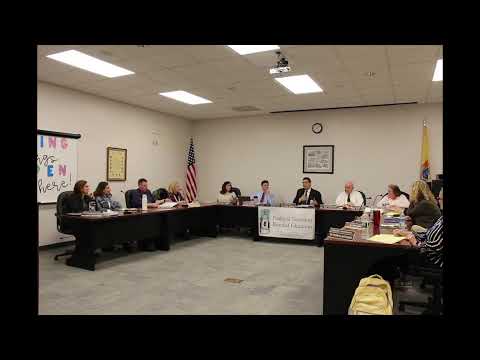
At a public meeting of the Freehold Township School District Board of Education, trustees said the bond referendum approved by voters will fund roof, HVAC and security work that the district expects to complete within the five‑year statutory window for bond‑funded projects, and they reported recent emergency remediation work at Donovan School that cost roughly $1.1 million.
The district’s Finance, Facilities and Transportation Committee said two smaller roofs (ECLC and Katina) are expected to be replaced by August, with remaining roof work scheduled for the following summer. The committee said HVAC work will be phased across two summers and security and pod‑conversion work will be spread over three summers. The board discussed hiring a construction manager and possibly creating an ad hoc committee to maintain continuity through design and construction.
Board members said a bond issuance resolution is expected on the May 14 agenda. The business office will publish bond information electronically and meet with bond‑rating agencies and the bank that will hold and invest the bond proceeds before the sale.
Board staff described an emergency remediation at Donovan School after indoor air quality issues. The district said it spent about $1,100,000 on abatement, contractor IAQ testing and replacement of damaged materials and equipment; insurance recognized about $971,000 of those costs and after a $250,000 deductible the district received approximately $721,000 in reimbursement. The district said some items removed included whiteboards, cabinets, bookshelves, tack boards, rugs and curriculum books; staff also removed a small area of old 9x9 asbestos tile. The district said it borrowed from several accounts to cover expenses and expects some money to return to the maintenance reserve after June 30.
Officials said the insurance carrier did not recognize a portion of the initial cleanup and some initial IAQ testing that required follow‑up remediation. The board said it will pursue additional staff training with the insurance company and with an IAQ expert and noted that a written report is required by code after declaring a facility emergency.
Board members discussed asking state officials about additional reimbursement but were told eligibility for state assistance could be affected by the district’s maintenance reserve balance; staff said prior outreach had been made. Several members said they would revisit the possibility of state funds despite that guidance.
Why it matters: The schedule and procurement decisions will determine how quickly students and staff are moved into upgraded facilities and who oversees construction quality. The Donovan remediation showed both the potential cost of facility failures and the limits of insurance and other relief sources.
The board emphasized monitoring the construction manager’s work, said it may interview finalists at a board meeting, and invited trustees to indicate interest in serving on a construction oversight ad hoc committee. The board recessed into executive session later in the meeting for personnel and legal matters.