Get Full Government Meeting Transcripts, Videos, & Alerts Forever!
Get email alerts on the Opioid Crisis topic
No spam. Unsubscribe anytime.
Speakers say opioid crisis is driving West Virginia grandparents to raise grandchildren; call for jobs, treatment and reentry support
Summary
Speakers at a meeting described the opioid epidemic’s impact on families in West Virginia, saying many grandparents are raising grandchildren after parental loss or addiction, and urged more coordinated investment in treatment, reentry services and job training, citing the Jobs and Hope initiative as a partial model.
Speakers at a meeting described the opioid crisis in West Virginia as having cascading effects on older adults and children, saying many grandparents and other relatives are stepping in to raise children after parental loss or addiction and urging coordinated action on treatment, reentry support and job training.
"It starts with, you know, a grandparent raising their grandchildren," said Greg Duckworth, who described great-grandparents, aunts and uncles also taking on caregiving roles. Duckworth said the state is seeing infants born dependent on medication-assisted treatments such as Suboxone and that the resulting neonatal abstinence issues place additional strain on families and older caregivers.
The comments highlighted three linked challenges: the immediate medical needs of infants born with withdrawal, the emotional and financial burden on older relatives who become primary caregivers, and a gap in services for people leaving treatment or jail. "The overdose rates are highest when someone first gets out of jail or out of a treatment program and they don't have a place to go," Duckworth said, arguing that without housing, recovery housing or employment opportunities many people relapse.
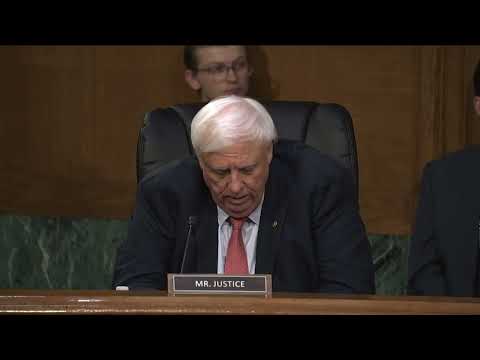
A speaker who identified themselves as a former governor pointed to Jobs and Hope as an example of efforts to address that gap. "Isn't that exactly what we tried to do with Jobs and Hope? ... We have to have treatment. We know we have to have treatment. And we know we have to have sympathy to bridal people back. But these people got to have a job," the former governor said, urging investment in training that goes beyond on-the-job, ad hoc instruction.
Duckworth offered a statistic, saying "40 to 50 percent of West Virginia grandparents are raising their grandchildren." He framed that figure as an illustration of the magnitude of the caregiving burden, and he described mourning and long-term family disruption when parents are lost to addiction.
Both speakers emphasized that short-term detox and treatment programs alone are not enough. Duckworth said treatment centers and doctors can provide 30 days of stabilization, but without post-treatment pathways—jobs, training and recovery housing—people often return to the environments that contributed to their substance use. The former governor urged a coordinated, community-wide effort to restore hope and create opportunity for recovery and economic stability.
The discussion did not record formal actions or votes. Speakers repeatedly called for funding and programs that combine treatment with long-term supports such as stable housing, workforce training and placements that can accommodate people returning from incarceration or residential treatment.
Taken together, the remarks in the meeting portrayed the opioid epidemic as a cross-generational social and economic challenge in West Virginia, with advocates urging public and private investment in integrated approaches that address medical, social and employment-related needs.