Get Full Government Meeting Transcripts, Videos, & Alerts Forever!
Get email alerts on the Land Use Permits topic
No spam. Unsubscribe anytime.
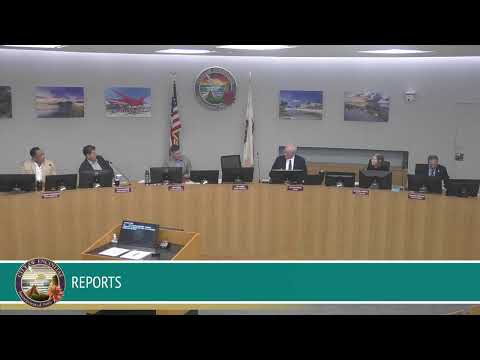
Encinitas council hears lengthy appeal over Sugar Sweet Farm agricultural permit
Summary
A packed Encinitas public hearing on an agricultural permit for Sugar Sweet Farm centered on complaints about unpermitted events, traffic and animal care. The council heard staff findings, testimony from neighbors and the farm, and a motion was recorded; no roll-call vote appears in the transcript.
Encinitas — The City Council spent more than three hours on a public hearing about an agricultural permit for Sugar Sweet Farm, a longtime property in the Olivenhain area, after a neighbor filed a timely appeal objecting to the permit’s scope and to alleged ongoing code violations.
The permit approved by staff would allow up to 10 community-garden plots, small-animal keeping (26–100 animals triggers the permit requirement), small-scale agricultural production and a temporary food stand at the property on Fortuna Ranch Road. Associate Planner JD Choos summarized the staff report, saying the permit was limited to those uses, that staff added conditions tied to sanitation and animal enclosures, and that a condition was recommended requiring compliance with County of San Diego environmental-health rules for community gardens and food handling.
Neighbors and the appellant argued the farm had operated unpermitted commercial activities for years — notably “goat yoga,” private-group events and youth camps — and that those activities created traffic, noise and safety problems for the private easement serving the neighborhood. Appellant testimony cited social-media posts and video the appellant said showed events taking place after a city cease-and-desist, and raised concerns about an apparent connection to a nearby hydrant. The farm’s operators and supporters said the property is a multigenerational hobby farm and community resource that provides camps, therapeutic visits and other programs; they called the animals and site well cared-for and disputed commercial-use characterizations.
Council members asked staff and speakers detailed questions about allowable uses, the difference between permitted accessory educational activities and commercial events, parking and trip estimates, animal-shelter standards and how enforcement would work if conditions were exceeded. Staff said the public–semi‑public zoning limits nonreligious residential development (for example, only one caretaker unit is allowed by right) and noted that the agricultural-permit approvals do not remove requirements for other permits where they apply (for example, design review or coastal permits when work triggers that review). Staff also said the permit application had been noticed to nearby property owners and described the methods and timelines for that outreach.
During deliberations Councilmember Luke Schaeffer made a motion to deny the appeal and to waive the traffic mitigation fee contingent on related building-permit work (including ADA improvements) being completed; the motion also included a set of conditions the council asked staff to draft addressing animal-shelter standards, weekly manure removal, a requirement to demonstrate compliance with County of San Diego environmental-health rules for any food-related sales, a prohibition on commercial activities that are not accessory to an agricultural use, limits on educational/day‑camp group sizes, and an accountability plan that included several city inspections in the first year. Councilmember Bruce Ehlers seconded the motion. The transcript shows the motion and second recorded, but a roll-call vote is not recorded in the public transcript provided.
What the council debated
- Permitted vs. commercial uses: Staff and council distinguished activities accessory to an agricultural use (for example, an educational farm visit or a small community-garden activity) from commercial group-exercise or frequent ticketed events. Council repeatedly asked that the record be clear on that distinction and that any conditions be enforceable and measurable. - Traffic and parking: Staff estimated the agricultural uses described in the permit would add a modest number of daily trips (staff provided a conservative estimate of roughly 28 additional daily trips tied to permitted garden plots and a temporary food stand); council members asked for clearer limits and for on‑site parking requirements to be enforced so there is no spillover parking on narrow easement roads. - Animal care and inspections: Several witnesses—some with experience in animal rescue and sanctuary care—described shelter standards. Supporters of the farm said the owners had committed to improvements. Council asked staff to include clear, practical animal-shelter conditions and to require a number of scheduled checks within the first year so neighbors could have assurance about enforcement. - Public-safety and hydrant use: Staff reported the Olivenhain Municipal Water District investigated a reported hydrant hookup, fined the farm and subsequently waived the fine after finding no malicious intent; council members nonetheless asked for a fire-preparedness plan approved by the Encinitas Fire Department that does not rely on unauthorized hydrant connections.
What happens next
The transcript records a motion and second to deny the appeal and lists a package of conditions council directed staff to prepare. Because no roll-call vote appears in the transcript provided, the record does not show whether the motion was adopted during the same meeting. Staff said any amendment to the permit or adoption of conditions would be memorialized in a written resolution and that future compliance will be enforced under the city’s municipal code; the recommended county health compliance condition would require the farm to show documentation from the County of San Diego Department of Environmental Health before relying on the permit for food sales.
The hearing drew a large turnout. Supporters described educational programs, veteran outreach and summer camps; opponents focused on unpermitted events, traffic safety and property-easement conflicts. The council’s questions and the language of the motion indicate council members sought measurable, enforceable requirements in any final approval or resolution rather than a broad, indefinite permit.