Get Full Government Meeting Transcripts, Videos, & Alerts Forever!
Get email alerts on the Rulemaking topic
No spam. Unsubscribe anytime.
Board sets rulemaking hearing to consider amendments on mode changes, joint ventures, fees and more
Summary
The Board for Licensing Contractors voted to set a rulemaking hearing to consider five retrospective-review items, including changes to mode-of-operation renewals, joint-venture provisions, fee additions, insurance limits and a Go Build Tennessee fiscal-year clarification.
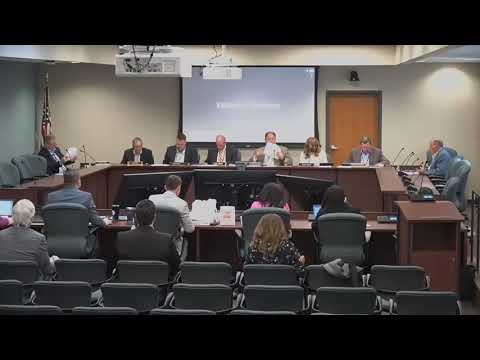
At its March 25 meeting the Board for Licensing Contractors voted to set a formal rulemaking hearing to consider amendments identified in a statutory retrospective review of the board’s rules.
Board staff told members the review flagged five rule areas for possible amendment: (1) change in mode of operation to allow mode-change applications to count as renewals when filed in the 30 days before expiration; (2) joint-venture language establishing parameters and potential prior approval or written agreements; (3) fee rule changes to add fees for monetary-limit increases, name changes and out-of-state verification; (4) a review of general liability insurance limits against industry standards; and (5) a clean-up to the Go Build Tennessee language to remove an outdated fiscal year reference.
Staff said the rule changes are part of the required retrospective review and that they will first set a rulemaking hearing for public comment. Kyle (staff) said the rules package must go through the Attorney General’s office for constitutional review and then be filed with the secretary of state; once filed, rules usually become effective 60 days later unless modified. Board members asked staff to review other states’ approaches to joint-venture rules and suggested written parameters to avoid casual or ad hoc joint ventures that dilute monetary-limit protections.
The board voted to schedule the rulemaking hearing on the five items and directed staff to prepare recommended language and comparisons to other states’ practices where appropriate.
The motion to set the rulemaking hearing carried without opposition.