Get Full Government Meeting Transcripts, Videos, & Alerts Forever!
Get email alerts on the Senior Loneliness topic
No spam. Unsubscribe anytime.
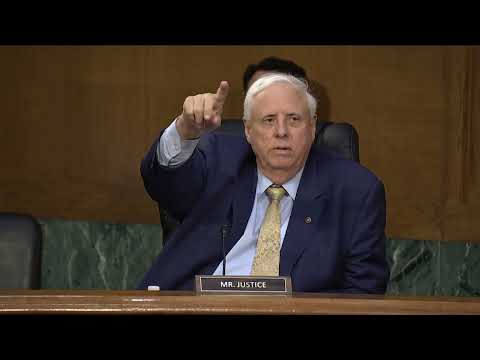
Public commenter urges committee to do more to address senior loneliness
Summary
A West Virginia resident urged committee members to expand programs that engage older adults — including intergenerational activities, pets and use of phones and the internet — saying seniors want to share their wisdom and should not be pigeonholed as "seniors."
Resident, a West Virginia public commenter, urged members of the committee to expand efforts to address senior loneliness and to find more ways for older adults to contribute to their communities.
"I wanna do goodness," the Resident said, adding that the priorities should include "breaking the cycle of senior loneliness, strengthening family and community support." The speaker said seniors need contact with young people, opportunities to care for animals and ways to share their experience: "They absolutely need to be able to give of their wisdom."
The commenter framed the issue as both social and civic, saying older adults should not be "pigeonholed" by the label "senior." Addressing committee leaders, the Resident said policymakers should act because "we're losing our knowledge," and asked whether technologies commonly criticized — "whether it be the phones or the Internet" — could be used to help older residents stay connected. "Can we use that in a way to really help us do better?" the Resident asked.
The remarks combined personal observation about conditions in West Virginia and broad appeals to committee members, including a direct appeal to "our ranking member" and "this great chairman" to "get at doing more." The speaker also compared older adults’ service and sacrifice to that of the military, saying veterans and other seniors "have given so much and ask so little."
No formal motion or committee action was recorded in the transcript on this topic. The comments were presented as public testimony and focused on encouraging the committee to consider programs and strategies that increase meaningful contact and engagement for older adults.