Get Full Government Meeting Transcripts, Videos, & Alerts Forever!
Get email alerts on the Renewable Energy topic
No spam. Unsubscribe anytime.
Residents urge planners to keep Osage County's renewable-energy moratorium in place
Summary
At a planning commission meeting, multiple residents urged maintaining the county's existing moratorium on large-scale wind and solar farms, saying past research showed environmental and economic harms and expressing distrust of corporate incentives. Speakers urged focus on recreation and manufacturing instead of industrial renewable projects.
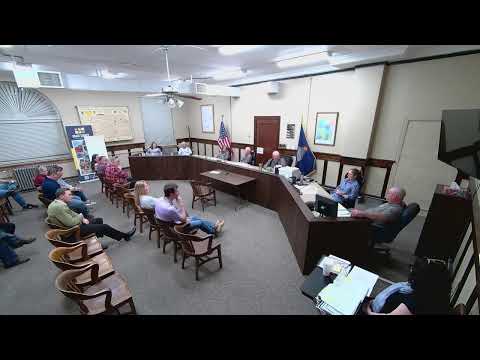
A series of public commenters at an Osage County Planning Commission meeting on March 11 urged commissioners and staff to retain the county's moratorium on utility-scale wind and solar facilities and not reopen land-use rules that would permit large renewable-energy farms.
Stanley Hart, who identified himself as a resident, told the commission he had noticed recent discussion about solar and said, "Last I knew, the county had a prohibition on the solar and I was curious why we even considered it." He said at least two county commissioners have said publicly they oppose renewables and urged vigilance that the 2022 prohibition not be undone without broad public support.
Alex Irby, a former member of the planning board, said the planning and zoning board previously researched commercial wind and solar for about a year and recommended a moratorium. Irby said that large-scale projects had not proven "safer or worthy of placement in the county at this time" according to that prior review and urged that any reconsideration be preceded by comparable study.
Another resident who spoke during public comment said the county should preserve agricultural and rural-residential character and warned ratepayers ultimately bear indirect costs from utility projects. The speaker referred to recent utility-rate proceedings and alleged local subsidies and rate increases tied to utility company investments, saying the local population would shoulder those costs.
Speakers raised a mix of environmental and economic concerns: limited local job creation from construction-only projects, possible damage to roads and rural infrastructure, and unclear long-term fiscal benefit to residents. Several commenters suggested alternative priorities for county economic development, such as recruiting manufacturers or promoting recreation tied to the county's lakes.
Commissioners and staff responded during the meeting by emphasizing that the comprehensive plan discussion does not automatically change zoning or the existing moratorium. Planning staff said the current draft of the comprehensive plan preserves the prohibition language and that any formal change would require later steps, including public hearings and notice to the public and adjacent jurisdictions.
Members of the public also asked the planning commission to consider a countywide referendum on the issue; planning staff reminded speakers that referendums in Kansas are nonbinding and would not force county officials to change zoning.
The public comments closed before the planning commission moved on to other elements of the comprehensive plan and related agenda items.