Get Full Government Meeting Transcripts, Videos, & Alerts Forever!
Get email alerts on the Adult Education topic
No spam. Unsubscribe anytime.
Auburn Adult Education cites enrollment gains, workforce partnerships; grant-funded coordinator extended through 2025
Summary
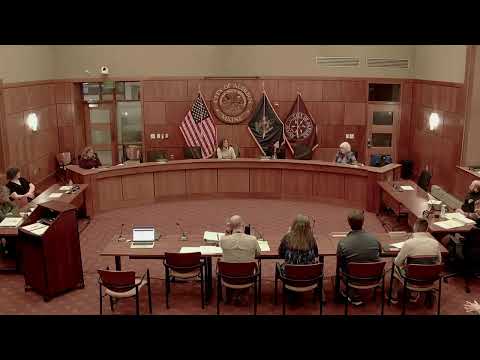
Director Jen Tyner told the Auburn School Committee on March 26 that Auburn Adult Education met three of four state outcome benchmarks, increased enrollment, and expanded workplace training; a grant-funded workforce coordinator has been extended through December 2025.
Jen Tyner, director of the Auburn Adult Education Program, told the Auburn School Committee on March 26 that the program was recognized this year as a high-performing program within the regional hub covering Androscoggin and Oxford counties.
Tyner said the program met three of four state benchmarks used to judge adult education programs. "We increased enrollment by more than 10% as a hub," she said, and the program exceeded the state target for measurable skill gain, reporting a 42% gain against a 39% target. In academic post-testing the program reported 75% success versus a 60% state target.
The presentation outlined three main program areas: academic preparation (HiSET and adult diploma pathways, adult basic education and English-language instruction), workforce training (on-site workplace literacy and vocational classes), and community enrichment classes held evenings at Edward Little High School. Tyner said the program has expanded employer-based workplace literacy, running two Panelam cohorts and a pilot at John F. Murphy (JFM) in Auburn, and added an English-language class at the Auburn Public Library.
Tyner described several workforce offerings that ran this year, including CNA training and recertifications, an Excel course with Sayre, culinary and kitchen-manager classes, and a scheduled food-handler session in April at JFM. She said the program is developing an EMT basics pathway for Auburn.
Tyner also described staffing and funding. Auburn adult education operates primarily from Edward Little High School with some daytime classroom space at the Central Office and other community partners (High Street Congregational Church, Auburn Public Library). The Auburn program has three full-time staff (a coordinator/advisor, a full-time teacher and an administrative assistant) plus a grant-funded workforce coordinator shared with Lewiston, Jerry Gibson. That workforce position originated with pandemic-era funds; Tyner said she secured an extension to keep the position through December 2025.
On funding, Tyner told the committee tuition and fee revenue has fallen from earlier, inflated figures because employers increasingly run their own CNA programs and because the program keeps class costs low to reduce barriers. She also explained that state adult education subsidy is calculated based on expenditures and can vary year-to-year; a staffing vacancy in 2024 reduced reported expenditures and therefore lowered subsidy for 2026.
Tyner noted the program serves a multilingual population from about 11 countries speaking eight languages, with Portuguese and French the largest groups represented. Enrollment snapshot numbers (taken in February 2025) included roughly 61 multilingual enrollees, 65 workforce enrollments and 82 community enrichment participants; Tyner said those figures remain open to change as enrollment is ongoing.
Tyner closed by highlighting continued community partnerships and the program's role in helping residents obtain credentials and employment, and reiterated plans to pursue the EMT basics class and ongoing CNA offerings.
Ending: Tyner said the program will continue to pursue employer partnerships and grant funding to sustain workforce programming and that the extended grant for the workforce coordinator runs through December 2025.