Get Full Government Meeting Transcripts, Videos, & Alerts Forever!
Get email alerts on the State Budget Health topic
No spam. Unsubscribe anytime.
Rhode Island health department warns $31.2M federal grant recapture could cut staff, programs
Summary
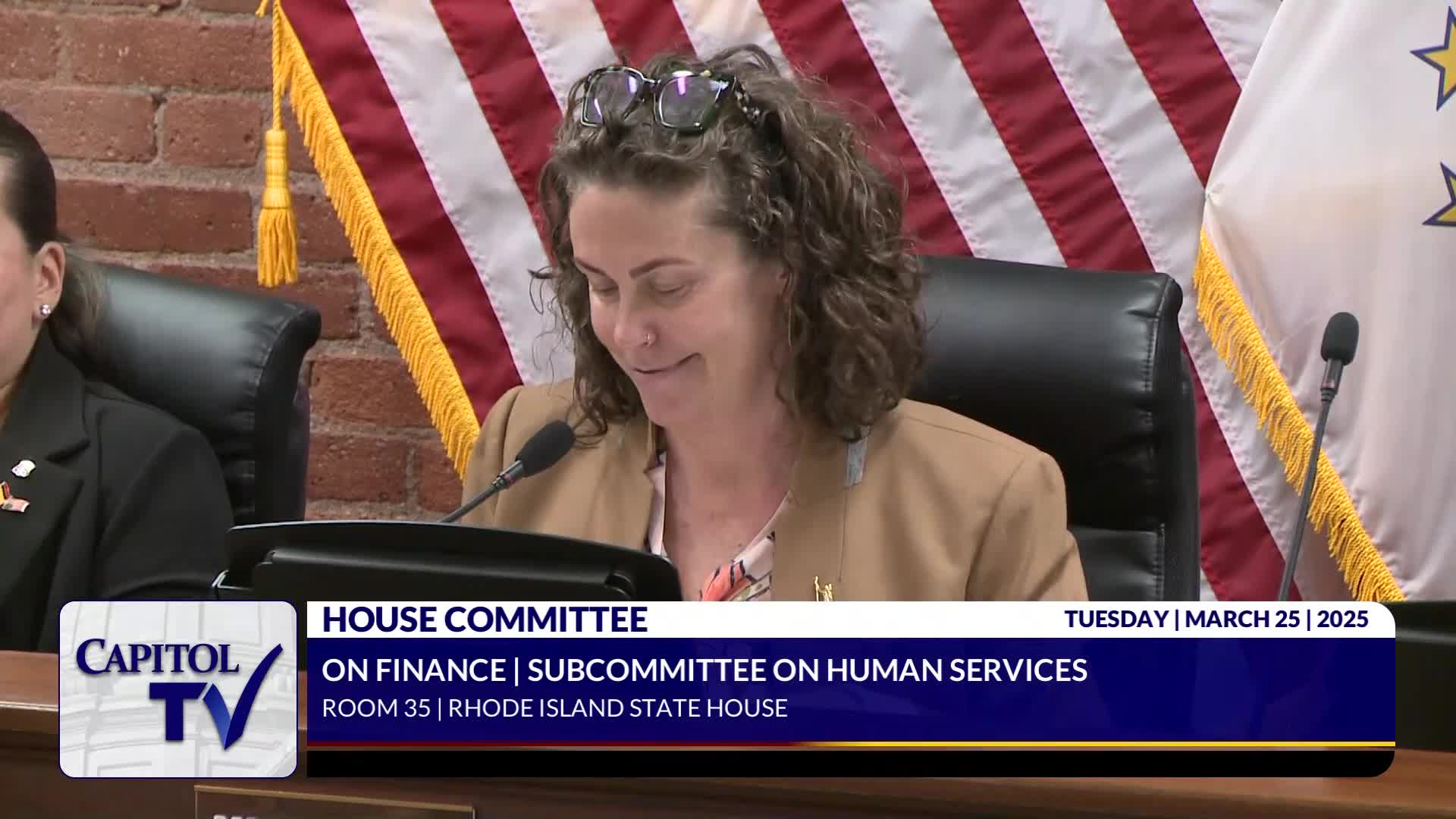
Department of Health budget presentation to the House Finance subcommittee highlighted a governor’s FY26 recommendation, heavy reliance on federal funds, and a newly disclosed federal plan to recapture roughly $31.2 million in pandemic-era grant money that officials say would affect staffing, labs and immunizations.
The Department of Health told the House Finance Subcommittee on Human Services on Wednesday that the governor’s recommended FY2026 budget of about $292 million relies on federal grants for roughly 52% of its funding and that federal authorities have notified the state this morning about the potential recapture of roughly $31.2 million in pandemic-era grant funds.
The recapture notice, department officials said, would affect line items in the current fiscal year and is likely to reduce staffing, contractor work and community contracts tied to COVID-related federal awards. "The department was notified today that remaining COVID-nineteen grant funds are targeted for federal recapture," the department’s budget presenter Chantal said during the briefing. Later the department director described the notification as planning by the federal government and said the funds were intended to help prepare for future pandemics.
Why it matters: the department told lawmakers the FY26 recommendation of $292 million is $64 million less than enacted budgeted spending partly because one-time construction costs for a new health laboratory drop out of the base. But officials warned that an unexpected federal recapture would shrink resources that now support laboratory capacity, immunizations and community health efforts and could reduce about 43 full-time equivalents (FTEs) and impact dozens of contractors and community partners.
The department walked the subcommittee through the governor’s revised FY25 and FY26 figures. Chantal said the governor’s revised FY25 recommendation is about $32 million higher than enacted, including $500,000 more from general revenues and roughly $43 million more in federal spending largely tied to unspent federal grants from FY24. For FY26 the department presented $292 million in total recommended spending, with federal funds supporting 52 percent of recommended expenses and salaries and benefits accounting for about 32 percent of the FY26 recommendation.
Officials outlined several buckets that would be affected if the recapture proceeds. The department listed about $15.6 million under the federal-enhancing laboratory capacity awards (ELC) and roughly $13 million that had been slated to support immunization activities among the larger affected subawards, totaling roughly $31.2 million when combined with smaller programs and community health worker funding. Chantal told the committee the department has received about $410 million in CDC grant funds since the pandemic began and estimated roughly $300 million–$350 million of that has already been used.
The department emphasized that some FY25 amounts are one-time capital investments (including the new medical examiner facility in Cumberland with a project cost the department estimated at about $98 million) that do not recur in FY26, and explained how federal indirect cost recovery supports restricted receipts and positions (the department presented 572 authorized positions with 19 vacancies as of late February).
Committee members asked what the recapture would mean in practical terms. Department leadership said the immediate impacts would include potential reductions to roughly 43 FTEs (affecting about 57 individuals in total when contractors are counted), cuts to contractor agreements and community partner contracts, and a probable decline in immunization outreach and laboratory surge capacity. Director Jerome Larkin (identified later in testimony) characterized the recapture as related to federal grant planning for future pandemic preparedness and urged coordination with the governor’s office, the attorney general, OMB and the congressional delegation to seek reversal or mitigation.
Lawmakers pressed for specifics and for a list of community contracts and staffing that would be affected. The department said it is still analyzing details and working with state leaders and its federal contacts to clarify the size and timing of any recapture. "It is not really related to COVID in terms of a direct response to the pandemic. It is related to COVID because we are preparing for the next pandemic with this money," the director said, urging lawmakers to consider the longer-term preparedness implications.
Looking ahead: the department asked the committee to consider the FY26 baseline cuts separately from the newly disclosed federal recapture. Officials said they will provide the committee with more granular lists of affected contracts and positions once the federal notices are fully interpreted and internal analyses are complete.
Sources and evidence: the department’s budget presentation and subsequent Q&A with committee members, including Chantal (budget presenter), department director Jerome Larkin and CFO Alicia Colella.