Get Full Government Meeting Transcripts, Videos, & Alerts Forever!
Get email alerts on the Long Term Care Oversight topic
No spam. Unsubscribe anytime.
Oregon APD reports rising complaints, owner turnover and calls for faster inspections and more staff
Summary
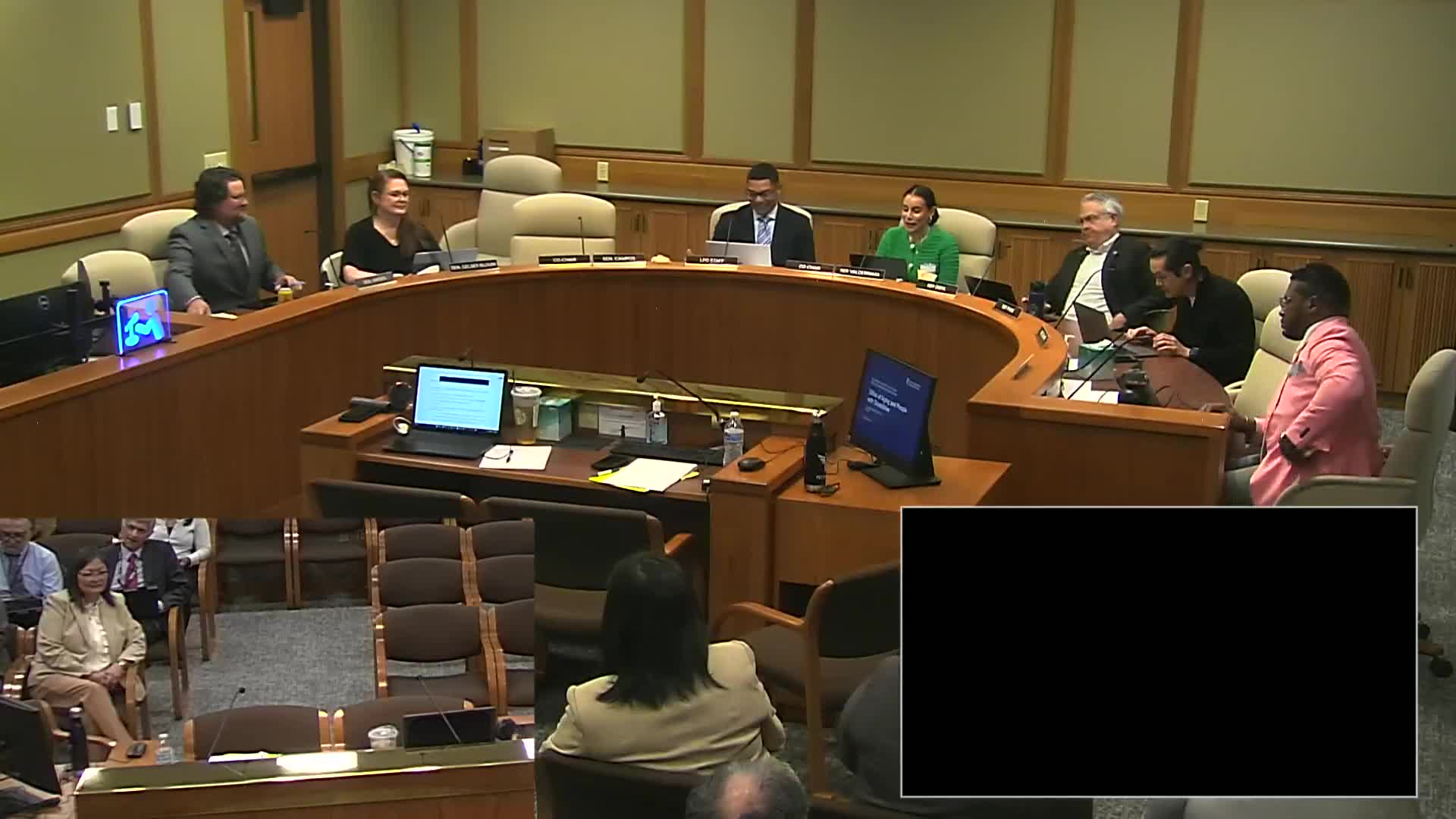
On March 26, APD Director Dr. Nikisha Nycoyle told the Legislative Human Services Subcommittee that the agency is seeing heavier workloads across licensing and Adult Protective Services (APS), and that federal and state changes are intensifying oversight requirements.
On March 26, APD Director Dr. Nikisha Nycoyle told the Legislative Human Services Subcommittee that the agency is seeing heavier workloads across licensing and Adult Protective Services (APS), and that federal and state changes are intensifying oversight requirements.
APD"believes that each person deserves the right to live in a place that is safe, that meets person-centered needs for care and support, and that gives them the autonomy and dignity to live their lives fully," Nycoyle said. She and APD deputies described increases in licensing complaints, more newly licensed providers with limited experience, and a rise in facility ownership turnover.
The information matters because APD said roughly 44,000 people receive long-term services and supports in licensed care settings and because federal rules now require stronger assurances that providers of Home and Community Based Services are qualified and that consumers are protected from abuse. APD described proposals and operational investments intended to shorten the time between a new provider opening and an initial inspection, bolster licensing staff, and strengthen abuse investigations.
APD staff told legislators the agency licenses and oversees nearly 2,000 long-term care settings, including 128 nursing facilities, more than 1,200 adult foster homes and hundreds of assisted-living and residential care facilities. APD described its safety and regulatory functions as two principal areas: licensing and Adult Protective Services. Nycoyle said the licensing unit has 216 positions (157 in APD central office, five for the Safety and Serious Incident Response Team and 54 in local offices) and that APS has what the presentation described as 245 positions (41 central, 193 local). APD also said more than half of its consumers receive services in their own homes and that APS processes thousands of abuse reports annually.
APD gave specific workload and regulatory details:
- Complaint volumes and complexity: APD said facility abuse reports increased by nearly 2,000 allegations between 2022 and 2024, and that nursing facility complaint volume and the number of high-priority or immediate-jeopardy complaints rose notably after pandemic-era recertification pauses. APD reported that in 2023 APS screened 52,538 reports and conducted 18,535 investigations that included 24,971 allegations; APD also said it processes and investigates over 56,000 allegations of abuse each year. Nycoyle attributed part of the increase to both growing facility counts and residents with more complex physical, behavioral and cognitive needs, and to improved abuse training and reporting.
- Ownership turnover: APD presented data showing a jump from three facilities changing ownership in 2022 to 36 in the most recent year presented. "Of the last two years, the majority of those change in the ownerships were private equity firms coming in from out of state, taking over the facilities," APD staff said. APD said one purchaser acquired 18 of the 36 facilities. Staff warned that changes in ownership require initial certification work that increases surveyor workload because a transferred facility must undergo recertification rather than a routine annual review.
- Inspection timing and proposed changes: APD said newly licensed providers may not currently receive a full inspection for 12 to 24 months unless a complaint arises. The agency said proposed investments (including policy elements in SB 811 and an administrative request called POP 101 discussed in testimony) would allow inspections within four months of a new facility opening to provide earlier technical assistance and reduce resident risk.
- Federal and state regulatory drivers: APD cited the CMS 1915(c) waiver requirements and the HCBS access rules adopted in 2024 as increasing state obligations to ensure provider qualifications and consumer safety. APD noted the Administration for Community Living(ACL) issued national definitions for adult maltreatment in 2024 (drawing on the Older Americans Act), and that CMS enacted new nursing facility requirements in January 2024, including ownership and financial reporting transparency and national staffing standards.
- Staffing and funding pressures: APD said the licensing unit represents less than 1% of the APD budget; that CMS funding for surveyor positions has not risen in eight years and now covers about 85% of nursing facility surveyor costs (down from 100% previously); and that APS work is generally 100% state-funded with only limited new federal funding expected through the Elder Justice Act. APD told legislators it received nine positions in 2024 to implement the acuity-based staffing tool required by SB 714 (2021). APD also described on-the-ground investments funded with ARPA dollars, including outreach that helped recruit new adult foster homes and roughly 460 capital improvement projects for facility infrastructure.
- Tools and programs: APD highlighted implementation of an acuity-based staffing tool (ABST), a cloud-based incident response management system (IRM) to locate licensed settings during emergencies, a safety action plan and an external assessment contractor. APD also cited HB 2397 (2021) as creating senior emergency medical services pilot projects; APD said four pilot projects received $2,300,000 in funding.
Legislators pressed APD on resourcing, complaint trends and whether a small group of facilities is driving most complaints. Representative Nelson and others asked whether payment rates affect quality; APD staff said Oregonnursing facility rates are higher than an example cited for Washington state and explained that rates are adjusted annually based on submitted cost reports and a percentile-based methodology. APD agreed to provide the committee with additional data on complaint types, historical trends and ownership breakdowns upon request.
APD also described due-process changes for people substantiated for abuse: the agency has implemented an appeals process and is updating policies to manage appeals, consistent with internal audit recommendations.
Quotes from agency leaders were used sparingly and linked to the presenters: "APD believes that each person deserves the right to live in a place that is safe," Dr. Nikisha Nycoyle said. Carissa Neufeld, APDdeputy director for safety and regulatory oversight, described onsite visits and the difference between routine licensing inspections and complaint investigations. Jane Ellen Weidance, APDdeputy director for policy, discussed rate-setting practices and noted Oregon's rate-setting approach is updated annually by statute.
No formal votes or final committee actions were recorded during the informational hearing. APD repeatedly offered to provide follow-up datasets to the committee, including complaint trend breakdowns and ownership detail.
Looking ahead, APD asked legislators to consider investments to expand licensing and APS staffing, fund technology and support earlier inspections for newly licensed providers. Agency leaders framed the requests as necessary to meet increased federal requirements and protect residents as Oregonages.