Get Full Government Meeting Transcripts, Videos, & Alerts Forever!
Get email alerts on the Diversion And Jjpoc topic
No spam. Unsubscribe anytime.
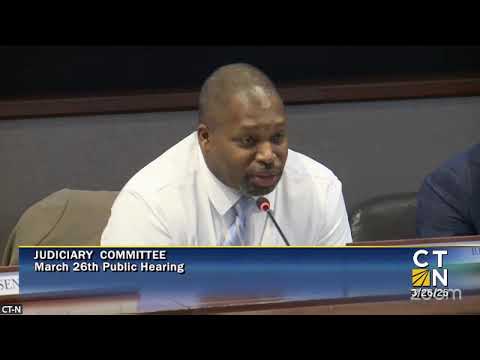
Committee hears push for statewide diversion standards and opposition to restoring family‑service‑needs court referrals
Summary
The panel reviewed JJPOC recommendations to standardize youth diversion and discussed HB 7-071 (family with service needs). Providers urged state funding and standard tools; juvenile service stakeholders warned that returning FwSN cases to court would re‑criminalize status behaviors.
Advocates and system partners told the Judiciary Committee that implementing the Juvenile Justice Policy & Oversight Committee (JJPOC) recommendations will require standardized diversion protocols and investments so police and municipalities can refer youth consistently to services rather than arrests.
Witnesses from the Connecticut Youth Services Association and juvenile legal advocates described JJPOC’s multi‑year effort to create a statewide diversion framework. They said roughly 34 municipalities currently lack local diversion access, which means police in those towns cannot offer alternatives. Testifiers urged legislation (HB 7,250 / JJPOC recommendations) to establish common screening, referral pathways and reporting so municipalities can measure what works and where funding is needed.
At the same time, multiple witnesses opposed restoring the Family with Service Needs (FwSN) cases to court (HB 7,071). They argued that sending status offenses back into juvenile court would criminalize behaviors rooted in unmet needs — runaway, chronic truancy or “beyond control” conduct — and overburden courts without improving outcomes. The Connecticut Youth Services Association testified that community‑based case management and attendance review teams are the appropriate venues for those needs and that reintroducing a court pathway would punish children for family and school dysfunction rather than treat it.
Several legislators asked practical questions about chronic absenteeism and the role of the Department of Education, noting a perceived gap between data collection and effective local action. Witnesses acknowledged that data and local capacity vary by district and called for clearer reporting requirements so that the state can target supports to high‑need communities.
Why this matters: witnesses said standard diversion rules and statewide supports would reduce unnecessary juvenile system contact, but successful rollout depends on funding, agreed definitions and consistent referral tools across police departments and youth service bureaus.
Next steps: JJPOC‑sponsored language in HB 7,250 is under consideration; committee members said they expect follow‑up work on standard referral forms, capacity building, and cross‑agency reporting tied to the proposed statutory changes.