Get Full Government Meeting Transcripts, Videos, & Alerts Forever!
Get email alerts on the Prenatal Equal Protection Act topic
No spam. Unsubscribe anytime.
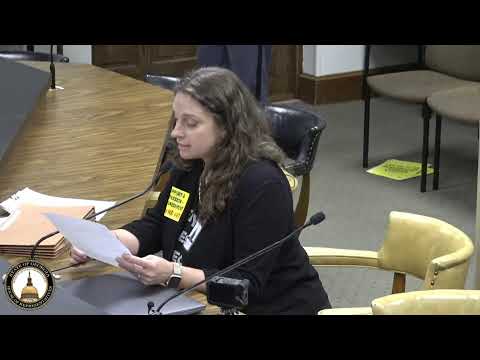
House Judiciary Committee hears hours of testimony on bill defining life at fertilization
Summary
The Georgia House Judiciary Committee heard more than two hours of testimony and questioning on House Bill 441, the "Georgia Prenatal Equal Protection Act," a proposal that would extend homicide and wrongful-death protections to the moment of fertilization.
The Georgia House Judiciary Committee heard more than two hours of testimony and questioning on House Bill 441, the "Georgia Prenatal Equal Protection Act," a proposal that would extend homicide and wrongful-death protections to the moment of fertilization.
Representative Donahue, the bill’s sponsor, said the measure would "ensure that those same laws protecting the lives of people after birth equally protect the lives of people before birth," and described the proposal as moving the law’s protection point from later pregnancy markers back to fertilization. He told the committee the bill includes legislative findings, protections for a mother forced into an abortion, and preserves existing due-process protections under Georgia criminal law. Donahue also said the bill would give the attorney general concurrent jurisdiction to prosecute if local prosecutors decline to enforce the law.
Supporters framed the bill as a straightforward extension of existing homicide protections to unborn children. Witnesses representing pro-life organizations and faith groups repeatedly referred to fertilization as the start of human life. Pastor Jeff Durbin said, "what's in the womb is human from fertilization," and Ricardo Davis of Georgia Right to Life told the committee the bill advances "equal protection for the most vulnerable in our communities."
Opponents — including physicians, medical societies, reproductive-rights advocates and patients — said the bill would have broad unintended consequences. Dr. Catherine Calhoun, an OB-GYN who specializes in reproductive endocrinology, warned that "House Bill 441 threatens how IVF is practiced," saying the legislation could force fertility clinics to close and deny prospective parents access to in vitro fertilization. Dr. Corinne Frew, the owner of a Georgia fertility clinic, said, "This bill, if you vote for it, I cannot work," and described how embryos created and cultured during IVF commonly do not survive for biological reasons unrelated to provider conduct.
Medical witnesses also raised concerns about care for life-threatening pregnancy complications and miscarriage management. Dr. Melissa Kotke, a past president of the Georgia OB-GYN society section, said the bill "is not grounded in science or medicine" and added that "to my knowledge, there is no test that can identify if or when fertilization has occurred," a point used to highlight operational difficulties for clinicians.
Reproductive-justice advocates and clinicians said criminalization would disproportionately affect Black and low-income Georgians and heighten fear among providers. Sarah Hunt Blackwell of the ACLU of Georgia said the bill "would severely restrict access to and create criminal liability for those seeking critical reproductive health care services," and attorneys who represent people charged over pregnancy outcomes said criminal investigations and intrusive procedures already occur in some cases under current restrictions.
Committee members pressed the sponsor on specifics. Representative Kendrick asked whether the bill would amount to a total ban; Representative Donahue and counsel replied the text provides equal protection from fertilization and that existing exceptions in the bill (the sponsor described an exception for procedures meant to save the mother's life and a carve-out for spontaneous miscarriage) would apply. Questions also focused on the bill’s enforcement provisions; Donahue and counsel said the language mirrors existing statutes that give the attorney general concurrent authority in certain crimes (they cited human-trafficking enforcement language as precedent).
Witnesses described other downstream effects the bill could trigger: litigation over embryo custody and storage fees; challenges to medical training and resident recruitment; and potential delays in emergency care as clinicians weigh legal risk. Lynn Goldman of the Georgia Fertility Foundation told the committee the bill would create legal uncertainty across "criminal, family, probate, health, and civil liability law" and said it could deny "one in six Georgians the opportunity to access fertility care to build their families." Medical educators and hospital chaplains described harms to medical education and the emotional toll on families faced with high-risk fetal diagnoses.
No vote was taken at the hearing. The committee heard a steady stream of one-minute public witnesses for and against the bill; members indicated they would continue deliberations in committee before any formal action.
The hearing record shows sharply divided public testimony and detailed legal and medical questioning that committee members said they would consider as they weigh possible amendments or next steps.