Get Full Government Meeting Transcripts, Videos, & Alerts Forever!
Get email alerts on the Education topic
No spam. Unsubscribe anytime.
Late-filed bill would create short-term bridge grants for students awaiting federal aid
Summary
Representative Santos presented a substitute bill to authorize temporary grants (up to $5,000) to students who qualify for federal aid but have not yet received disbursement; sponsor and members said logistics — recoupment, administration, and coordination with FAFSA/GSFA — need further work in the interim.
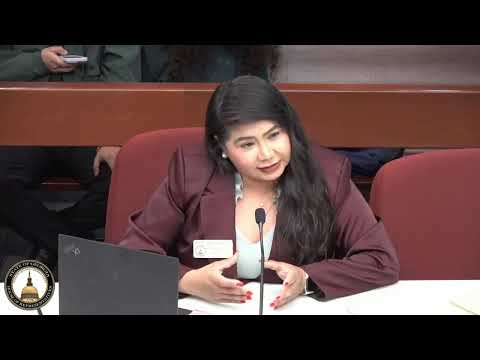
Representative Santos presented a substitute for LC 610255S to the House Higher Education Committee proposing a short-term bridge grant to assist students who qualify for federal financial aid but had not received disbursements by the first day of classes.
Santos said the program is intended to help students who are academically eligible but who face an immediate financial shortfall at the start of a term — for example, to purchase books or basic class materials — and would be available to students who qualify for Pell or similar awards. "This bill aims to provide financial assistance to students that qualify for financial aid, but have not quite received it as of the first day of school," Santos said.
During questioning committee members raised several operational questions, including whether the state would reclaim funds after federal payments arrive, how the awards would avoid over-awarding students, the authority that would administer recoupment, and the criteria for how much a student could receive. Santos said she had spoken with Georgia Student Finance Commission staff and that awards would be limited to qualifying students; she described the $5,000 figure as intended to cover substantial first-term costs such as books and course materials based on personal experience in professional school and anecdotal campus data.
Committee members emphasized the need to coordinate with GSFA (or the Georgia Student Finance Commission), institutions’ financial-aid offices, and federal FAFSA processes. Members suggested interim work to clarify recoupment procedures, timelines, whether awards should be issued to institutions or students, and limits on award duration. The sponsor said the aim is for the state award to be deducted against later federal aid so students are not over-awarded, but acknowledged details remain to be worked out.
No vote was taken. Committee leadership urged the sponsor to continue technical conversations during the interim and indicated the proposal will require operational refinements before the committee will advance it.