Get Full Government Meeting Transcripts, Videos, & Alerts Forever!
Get email alerts on the Education topic
No spam. Unsubscribe anytime.
Committee reviews bill to narrow HOPE scholarship drug disqualification to exclude marijuana
Summary
Representative Bell introduced a bill to amend state law so marijuana offenses would no longer automatically bar students from HOPE scholarship eligibility; sponsors said the proposal mirrors recent federal Pell changes and would retain disqualifications for other controlled substances.
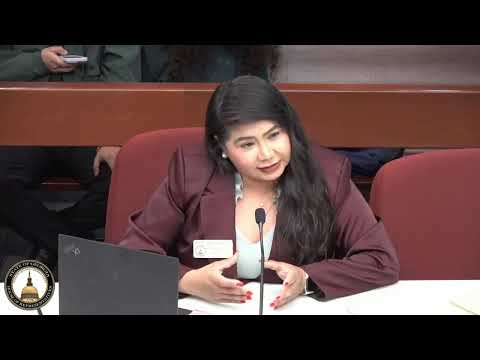
Representative Bell told the House Higher Education Committee that HB 206 would limit the state’s postsecondary drug-disqualification provisions so that marijuana-related offenses would no longer automatically render a student ineligible for state scholarship aid.
The sponsor said the change tracks a recent federal change to Pell Grant eligibility and that the earlier state statute — described in testimony as the “drug-free postsecondary education act of 1990” — still contained penalties that could disqualify students for certain drug infractions. "This, as it stands before you today is not to do away completely with the secondary drug act, but to only strict, as you can see online, marijuana as a reason, individual will not lose, the Hope scholarship," Representative Bell said.
Bell said he revised the bill after committee concerns about other dangerous substances, such as fentanyl, and he offered the narrower amendment to address those concerns. He described cases in which students lost HOPE scholarships after low-level marijuana offenses, including family anecdotes and examples from prior years.
Several committee members praised the sponsor for narrowing the scope and said they want to coordinate with the judiciary committee and criminal-law experts to ensure the change does not create unintended conflicts with criminal statutes. Vice Chairman Carter suggested working with judiciary to align the educational consequences with any criminal-law adjustments. Members noted language in the bill still addresses manufacture, distribution and sale — activities that the committee said are distinct from simple possession or use.
No formal committee vote was taken. Members said they would continue work in the interim and consult with colleagues in judiciary and the speaker’s office to confirm the bill’s language and legal effects before advancing it.