Get Full Government Meeting Transcripts, Videos, & Alerts Forever!
Get email alerts on the Medicaid topic
No spam. Unsubscribe anytime.
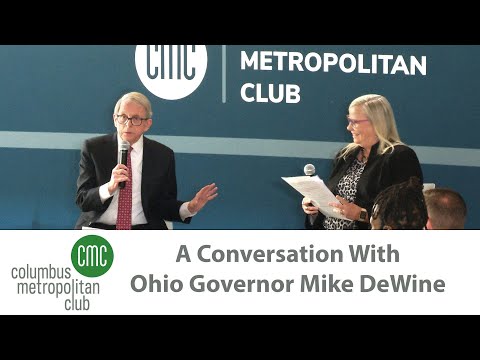
DeWine says federal decisions will drive future of Medicaid expansion; highlights state outreach efforts
Summary
Asked about a possible budget trigger that would end Medicaid expansion if federal matching falls, Gov. Mike DeWine said federal action will determine the state's response and highlighted state programs to improve care access and targeted services for high-need youth.
When asked whether he still supports Medicaid expansion amid House proposals that would include trigger language to end expansion if federal matching drops, Gov. Mike DeWine said the federal government’s actions will shape Ohio’s next steps and he would wait to see the numbers before committing to a course.
"What we don't know, is what the federal government is going to do," DeWine said. "If they change the numbers or if they stop paying, that obviously we will have to make some very very difficult choices that frankly we do not want to have to make."
DeWine said Ohio has used Medicaid to target complex needs, including programs for children with multiple behavioral and physical-health needs. He described moving "about 45,000" high-need young people into a more coordinated care approach and said the state has pursued school-based clinics and mobile vision and dental services to reach underserved populations.
Why it matters: The governor acknowledged nearly 770,000 Ohioans participate in Medicaid expansion and said the state relies heavily on federal funding. Any federal change to the federal match rate could prompt difficult budget choices with effects on coverage, provider payments and local economies.
State-level proposals and work requirements: DeWine said he supports pathways that encourage participation in work or training for those medically able, describing such measures as part of a broader goal of helping Ohioans fully participate in society. "The question is... why aren't they working? And what this does is if we try to put them on a pathway, we have someone meet with them, try to come up with whatever pathway they want," he said.
Uncertainties: DeWine did not commit to or rule out specific state actions if federal funding changes; he said his administration is monitoring federal developments and that program design and funding decisions would follow the receipt of official federal information.