Get Full Government Meeting Transcripts, Videos, & Alerts Forever!
Get email alerts on the Sports Gambling Tax topic
No spam. Unsubscribe anytime.
DeWine proposes higher sports-gambling tax to create permanent stadium and youth-sports fund
Summary
Gov. Mike DeWine urged raising the online sports-gambling tax to fund stadiums and youth extracurricular programs, saying a higher rate would produce an estimated $150–$180 million annually and reduce use of general-fund dollars for stadium projects.
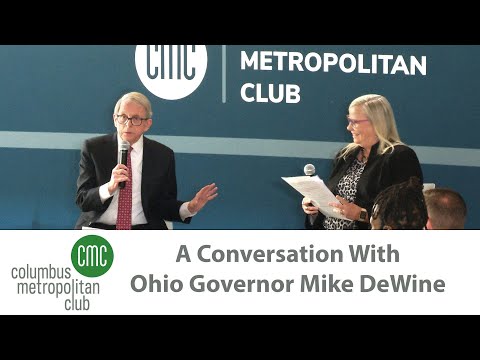
At a Columbus Metropolitan Club forum, Gov. Mike DeWine proposed doubling Ohio's online sports-gambling tax rate to create a dedicated fund for stadium projects and youth extracurricular activities.
"Over 98% of sports gaming is online," DeWine said. "Of that online gaming, 99.5% of the money goes to out of state gaming companies. Who don't employ anybody in the state of Ohio. Who don't give anything to the economy of Ohio. ... I would raise that by 20% more. And that additional 20% more, will generate somewhere between $150,000,000 to $180,000,000 per year."
Why it matters: The governor framed the proposal as a way to stop drawing on the state's general fund for stadium construction—a practice he said has long competed with education and mental-health spending. He said the fund could pay for professional sports facilities and also subsidize youth activities, including fees for team participation and other extracurricular programs.
Policy details and scope: DeWine suggested the money would flow into a permanent fund that could help both stadium projects and youth programs, including non-sports extracurriculars where fees present barriers for participation. "If a child has some other extracurricular activities, something that there there's a fee connected to it, this could pay for that as well," he said. He compared proposed rates to other states, noting New York has rates near 51 percent and said Ohio would remain competitive even if it doubled the current rate.
Legislative path and veto signal: Questions from the host raised the prospect that the legislature might instead insert a 30-year bond package into the budget to fund stadiums. Asked whether he would line-item veto bonds if lawmakers placed them in the budget, DeWine declined to promise a veto but reiterated his preference for a dedicated revenue stream and said negotiations lie ahead. "We haven't seen the house budget yet, let alone the senate," he said.
Unanswered items: DeWine presented an estimated annual revenue range but did not supply legislative language, specific tax-rate numbers beyond the relative increase he described, or a plan for project selection and governance of the proposed fund.