Get Full Government Meeting Transcripts, Videos, & Alerts Forever!
Get email alerts on the Public Comments topic
No spam. Unsubscribe anytime.
Riders, disability advocates and neighborhood residents press CapMetro on fares, routes and safety
Summary
Multiple members of the public urged Capital Metro to restore fare-capping or provide temporary free rides during a fare system transition, asked for route expansions in Mueller, raised mobility-device warranty and insurance concerns, reported dogs on buses and cited Title VI equity issues.
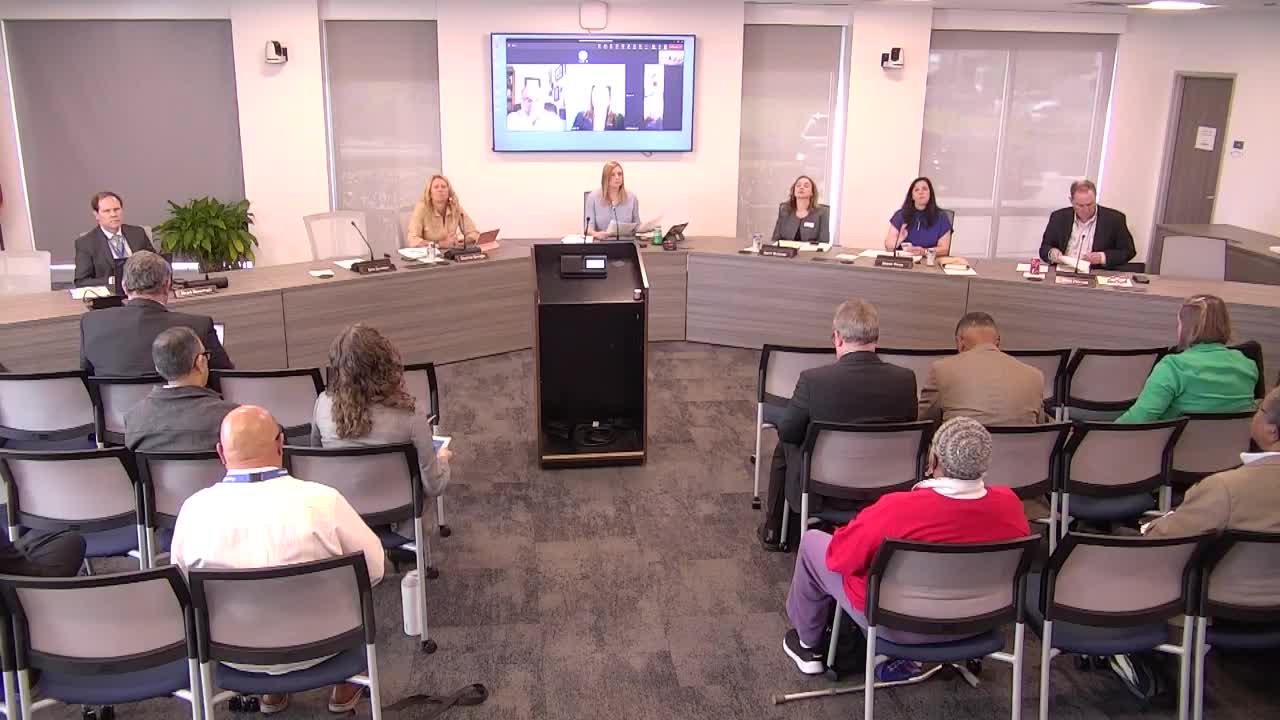
Public speakers at the March 24 Capital Metro Board meeting raised a range of service and safety concerns, from fare payment changes on the Pickup paratransit-style service to neighborhood routing, mobility-device insurance gaps and enforcement of rules for animals on buses.
Gwen Rowling said changes to Pickup’s fare options have effectively raised costs for frequent adult users because monthly and seven-day capped tickets are no longer available. “Adults now only can ride Pickup by paying per ride, which really is a service cost increase for frequent users,” Rowling said, describing herself as a frequent user who depends on the service for groceries and short errands. She asked the board to “bring back the fare cap tickets or let us ride for free until we can use the fare capping.”
Sherry Taylor, who identified herself as Sophie and said she lives in the Mueller neighborhood, asked CapMetro to add route variants so buses serve more streets there rather than relying on a single corridor. Taylor said many residents are not within easy walking distance of the current stops and described traffic and weather as barriers to accessing transit.
Deb Miller, who spoke about mobility-device issues, said warranties and some insurance policies prohibit use of prescribed mobility devices in roadways, leaving users without parts or coverage if devices are used off sidewalks. Miller said she is pursuing conversations with the governor’s office and manufacturers to explore policies or insurance that would protect mobility-device users who must operate near traffic. "If we're injured in the road, there's no insurance for us," she said.
Zenobia Joseph framed her remarks around Title VI of the Civil Rights Act of 1964, saying routes north of U.S. 183 are “infrequent, unreliable, and disconnected” and alleging the system produces disparate wait times for Black riders. Joseph also raised enforcement issues for animals on buses and urged fixes to specific stops on North Lamar, calling attention to safety studies she said showed pedestrian risk at midblock stops.
Lynell Johnson described safety problems at the location where riders collect monthly passes after the agency relocated the MetroPass pickup to Guadalupe. She said the site lacks seating, restrooms and an accessible ramp and that a transit driver left a passenger in the roadway. "It is dangerous," Johnson said, asking CapMetro staff to follow up.
Board members and staff responded by promising staff follow-up: Vice Chair Paige Ellis and staff signaled they would have personnel contact several speakers to discuss next steps or provide additional information.
Why it matters: The public comment segment collected firsthand reports of how recent operational and fare changes affect riders, people with disabilities and neighborhood access. Several items raised potential compliance and equity implications that could inform future operations, outreach, or Title VI screening.
Board follow-up: Staff agreed to connect with individual speakers for details; the board did not take formal action during public comment.