Get Full Government Meeting Transcripts, Videos, & Alerts Forever!
Get email alerts on the State Budget topic
No spam. Unsubscribe anytime.
Maryland House approves budget and BRFA after hours of debate over taxes, schools and services
Summary
The Maryland House of Delegates approved the fiscal 2026 budget (HB 350) and the Budget Reconciliation and Financing Act of 2025 (HB 352) after extended floor debate over taxes, education funding and services for vulnerable residents.
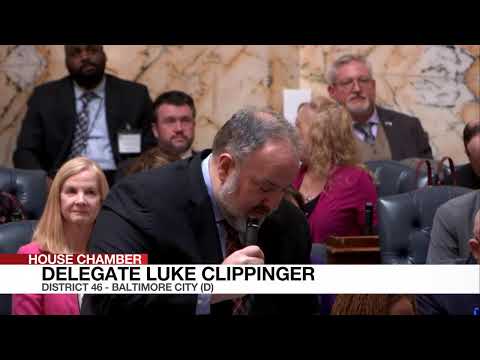
ANNAPOLIS, March 10, 2025 — The Maryland House of Delegates approved the state'wide spending plan for fiscal 2026 and a companion financing package after more than a day of floor debate that centered on proposed tax increases, funding for special education and services for people with disabilities, and transportation and infrastructure spending.
Supporters said the budget and the Budget Reconciliation and Financing Act (BRFA) were necessary to avoid deeper cuts and to preserve services for vulnerable residents; opponents said the measures rely too heavily on new taxes and will shift costs to counties, renters and small businesses. "This budget is wrong, fiscally irresponsible," one speaker said in opposition; another said the bills protect people who will otherwise lose services and stabilize the state's finances amid federal changes.
The House voted to pass the main budget, House Bill 350 (fiscal year 2026), and later approved House Bill 352 (the BRFA of 2025). House clerks announced 100 affirmative votes on HB 350 and 93 affirmative votes on HB 352; both were declared to have achieved the constitutional majority required for passage.
Why it matters: Lawmakers and committee chairs said the measures respond to a projected multibillion-dollar structural shortfall and to revenue losses tied to federal actions that state analysts and Moody's cited as uniquely affecting Maryland. Supporters argued the package protects funding for schools and state services, restores critical funding cut during early drafting (including money for the Developmental Disabilities Administration), and funds capital needs for roads, bridges and transit. Opponents argued the approach will increase local property taxes, force counties to raise fees, and discourage business investment.
Key floor points and provisions
- Taxes and revenues: Lawmakers repeatedly debated a set of targeted revenue measures in the BRFA, including a digital/IT services component and other levies described on the floor as intended to raise roughly $1.6 billion in the near term. Members cited an estimated $500 million revenue contribution from the IT/tech services tax in floor discussion. Opponents said the net effect would fall on middle-class taxpayers, small businesses and retirees.
- Education and the Blueprint: Many speakers framed the budget debate around the "Blueprint for Maryland's Future." Supporters said continued investment in the blueprint is needed to improve outcomes and retain a competitive workforce; critics said the state has not matched spending to improved outcomes and warned the blueprint contributes to the long-term structural pressure on the budget.
- Services for vulnerable populations: The Appropriations Committee and several delegates described restoring roughly $300 million to the Developmental Disabilities Administration (DDA) after earlier cuts were proposed. Supporters framed that restoration as the result of extensive committee work and advocacy from parents and providers.
- Transportation and capital: The budget and related capital programs include funds for the Maryland Transit Administration and the State Highway Administrationcommittees cited $800 million for MTA capital and $1.1 billion for SHA capital programs on the floor. Supporters said the investments are intended to keep bridges and roads in a state of good repair and to support transit and economic activity statewide.
Votes at a glance
- House Bill 350, fiscal year 2026 budget: Motion -- third reading and final passage. Tally announced on the floor: 100 yes; outcome: passed (constitutional majority declared). Motion text: "House Bill 350, budget bill fiscal year 2026, third reading and final passage." Notes: recorded roll-call detail was not printed in the transcript; several members verbally explained their votes on the floor.
- House Bill 352, Budget Reconciliation and Financing Act of 2025: Motion -- third reading and final passage. Tally announced on the floor: 93 yes; outcome: passed (constitutional majority declared). Motion text: "House Bill 352, budget reconciliation and financing act of 2025, third reading and final passage." Notes: the BRFA contains the revenue measures tied to the budget.
Discussion, divisions and next steps
Debate on the floor was sharply divided by philosophy and by region. Delegates from rural and Eastern Shore counties warned the package would force local property tax increases and cuts to local services; other members said the measures preserved services for low-income families, people with disabilities and other vulnerable groups and would prevent more damaging cuts at the state level.
Both chairs of the key fiscal committees urged colleagues to support the bills as difficult but necessary choices to maintain the state's financial stability, preserve transportation and public-safety funding, and avoid deeper program cuts. Lawmakers noted that some projected federal revenue had been reduced or delayed, and that rating agencies had flagged Maryland for near-term fiscal risk.
What the bills do not do (as stated on the floor)
- The record shows that some items described as "cuts" in press events were accountings or shifts (for example, changes to rainy-day fund deposits or transfers described on the floor). Delegates repeatedly asked that the distinction between one-time shifts, forecasting adjustments and programmatic cuts be made clear when communicating with constituents.
- Detailed roll-call vote records were not included verbatim in the transcript excerpt; the clerk announced the affirmative tallies and declared both measures passed.
Outlook: With both measures passed by the House, they move on for the remainder of the legislative process (conference or final enrollment as applicable). Several speakers indicated they expect continued negotiations with the Senate and additional fiscal oversight in coming weeks.
Ending: Delegates closed the day's work with committee scheduling announcements and brief recognitions; the House adjourned to the next legislative date.