Get Full Government Meeting Transcripts, Videos, & Alerts Forever!
Get email alerts on the Budget Override topic
No spam. Unsubscribe anytime.
Grafton committee declines to ask Select Board for a short‑term 'micro' override after budget debate
Summary
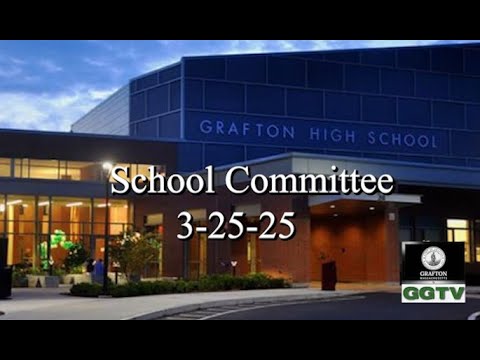
After prolonged discussion of budget gaps and possible cuts, the Grafton School Committee on March 25 signaled consensus not to ask the Select Board to place a proposed short‑term ‘micro’ override on the ballot. Members cited timing, public sentiment and long‑term strategy as reasons to defer a voter decision.
Committee members spent more than an hour reviewing the district’s budget outlook and options to cover a projected gap, including a proposed “micro” override (described in the meeting as a roughly 1.27% levy override) that would restore portions of a level‑service budget.
Superintendent and administrative staff reviewed the budget numbers that prompted the conversation. The committee discussed potential line‑item reductions that had already been proposed — for example, a half‑time preschool teacher position (identified in discussion as $41,008.49) and a $30,000 adjustment tied to human resources staffing — and whether cuts should be included in the baseline level‑service budget. Members repeatedly emphasized the short timeframe for organizing a public information campaign and the risk that a small, short‑term override could complicate or reduce support for a larger funding effort next year.
After extended deliberation, the committee signaled a consensus position: they would not send a formal request to the Select Board asking that a micro override be placed on the ballot at this time. Amy Marr, committee chair, said she would prepare and send an email summarizing the committee’s discussion for the Select Board’s consideration. The committee did not adopt a formal motion recorded as a roll‑call vote on the override question; members reached the decision through discussion and voice assent.
Committee members said they supported continuing advocacy on larger, multi‑year funding needs but were concerned about voter fatigue and the current economic climate. Some members urged continued outreach and communication to make the case for the district’s longer‑term funding needs, and others recommended returning to the discussion with clearer, agreed‑upon figures if the Select Board signals interest.
The discussion also included process clarifications: members asked how the district would reassign or sustain personnel if retirements or other staffing changes occur and whether the finance and select boards would coordinate on timing and messaging. The committee agreed to keep lines of communication open with the Select Board and finance committee and to revisit financial strategies for fiscal 2027 planning.