Get Full Government Meeting Transcripts, Videos, & Alerts Forever!
Get email alerts on the Energy Renewables topic
No spam. Unsubscribe anytime.
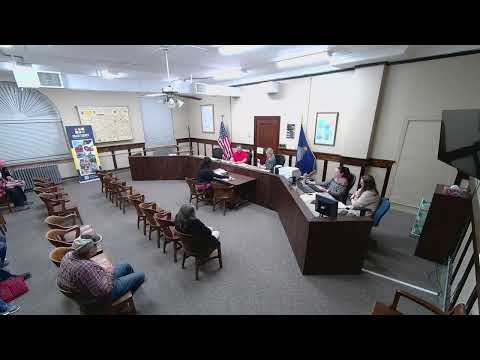
Residents and commissioners debate commercial solar and wind projects at Osage County meeting
Summary
Public commenters and a commissioner discussed proposals for commercial solar and wind projects, with county officials noting commercial renewables are currently prohibited under county law and residents expressing environmental, land-use and economic concerns.
Several residents and speakers raised concerns about proposed commercial solar and wind projects during the public-comment portion of the Osage County Commission meeting on March 25. Speakers cited landscape impacts, water and fire risks, property-value effects, and skepticism about project economics and long-term benefits.
Stanley Park and other residents presented research and commentary opposing large-scale solar, saying projects depend on federal and state subsidies, can consume large amounts of land and cause local issues such as heating effects, battery-fire risk and drainage problems. One commenter recounted local experience with a nearby solar installation and said ancillary infrastructure such as substations and access areas sometimes cover far more land than the panels themselves.
A county commissioner (unnamed in the transcript) told the meeting that the commission had not formally discussed commercial renewables as a board, and that he believed commercial wind and solar are prohibited under county rules, which would prevent projects from moving forward in the current regulatory environment. He said a company representative told him permits had been filed with an unspecified regulator and that some developers had lease agreements, but he reiterated his view that the county’s existing prohibition blocks commercial projects for now.
Other commenters argued for focusing on manufacturing and local job growth rather than utility-scale renewables. Supporters of study or discussion said they want to see evidence of net tax benefit and local jobs, while opponents emphasized preserving agricultural land and county character.
No formal permitting, zoning change or vote was taken at the meeting. Several speakers urged better public notice and clearer information in future discussions; commissioners said they would pause broader discussion until they received directives to proceed and asked staff to limit repetitive testimony at an upcoming meeting.
The meeting included an extended back-and-forth between commenters and commissioners about the effectiveness of renewables in lowering utility costs, the role of market subsidies and the county’s ability to regulate land use. Speakers referenced filings and outreach by developers including a representative identified as “Brandon Sack” from Evergy and said the company had contacted commissioners and landowners about potential projects.
Residents asked the county to consider the cumulative effects of proposed projects on water, drainage, fire response and agricultural land designation. The commissioner reiterated that any change would require formal consideration of land-use rules and potential future directives from the commission.