Get Full Government Meeting Transcripts, Videos, & Alerts Forever!
Get email alerts on the Cyber Attendance Residency topic
No spam. Unsubscribe anytime.
District probes cyber‑school attendance after discovering out‑of‑district enrollments
Summary
Superintendent and staff described a review of cyber-school enrollments after the district identified more than 500 cyber students and several cases where enrolled students appeared to live outside the district. The board was told the district is checking residency to avoid paying tuition for nonresident students.
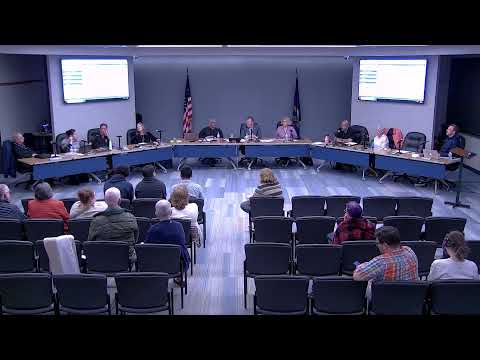
Chambersburg Area School District officials told the board Tuesday they are investigating cyber-school enrollments after staff identified questions about where a substantial number of cyber students live.
Superintendent Chris Bigger and district staff said the attendance team mailed more than 500 verification letters to families of cyber-enrolled students; district clerks and attendance staff are processing returned envelopes and compiling responses. Administration reported that at least two enrolled students were found to have addresses in neighboring states (Virginia and West Virginia) and that 22 letters were returned as undeliverable. The district is working with cyber providers to obtain up-to-date residency information.
Officials explained the fiscal stakes: the state subsidy follows the student and the district can be billed for cyber enrollments. The superintendent said the per‑pupil cost is substantial — he cited district estimates of roughly $11,000–$12,000 per regular‑education cyber pupil and substantially more for special‑education placements — which is why ensuring correct residency and active participation matters for district finances.
Administration said it is following up by requesting records from cyber providers, continuing mail verification and preparing targeted follow-up (including potential home visits). The district staff acknowledged cyber providers assert they are responsible for verifying ongoing participation; the district said it will double-check records and, where appropriate, appeal billing adjustments. Board members discussed the difficulty of confirming post‑enrollment moves and noted some districts employ staff to perform residency checks because recovered tuition can exceed the cost of such investigations.
Bigger told the board there is growing statewide attention to cyber-enrollment rules and that changes to state law and provider practices may be forthcoming. The board did not take a formal vote on the presentation but directed staff to continue the verification work and to report back with findings and recommended next steps.