Get Full Government Meeting Transcripts, Videos, & Alerts Forever!
Get email alerts on the Prosecution Policy topic
No spam. Unsubscribe anytime.
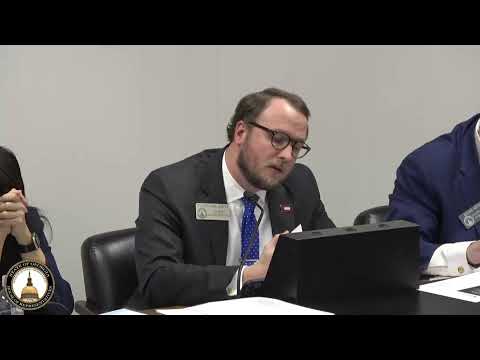
Committee advances substitute changing preemption penalties and grand-jury accusation rules after heated debate
Summary
A multi-part substitute to Senate Bill 204 that raises penalties for local preemption of state firearms law and alters certain grand-jury/accusation procedures moved out of committee after debate and a failed motion to table.
Chairman Powell presented a committee substitute to Senate Bill 204 that combines two policy areas: (1) expanded state preemption and higher monetary penalties for local governmental ordinances that conflict with state gun law; and (2) a change to when prosecutors may prefer accusations (use an accusation charging process) rather than indictments in certain non-violent felony and lower-level matters.
The preemption portion would increase penalties on a local government that attempts to enact firearm regulations inconsistent with state law. The sponsor said the aim is to preserve uniform statewide rules for weapons and to avoid a patchwork of municipal ordinances. The original Senate version carried a $50,000 penalty; the committee sub reduced that to $25,000.
The substitute also revises parts of the criminal charging process by allowing accusations in more cases under defined circumstances, while excluding the most serious violent felonies and other enumerated offenses. Supporters argued the accused-charging change would reduce burdens on small counties and conserve law-enforcement and prosecutorial resources; assistant district attorneys and local prosecutors told the committee that regularly presenting routine cases to grand juries requires overtime, subpoenas and travel expenses.
Opponents — including several district attorneys and public defenders — warned the changes would cut an important constitutional protection: the grand jury's role as an independent probable-cause check. Critics argued that narrowing grand-jury presentation for specific crimes would diminish oversight and reduce community input.
The committee considered a motion to table the substitute, which failed. The committee later voted to report the substitute favorably; committee leaders said they would obtain the necessary signatures to move it to Rules. The chair characterized the substitute as a compromise intended to keep more serious offenses subject to grand-jury indictment while permitting prosecutorial accusation in limited cases to ease workload pressures on small counties.