Get Full Government Meeting Transcripts, Videos, & Alerts Forever!
Get email alerts on the Libraries topic
No spam. Unsubscribe anytime.
Public libraries warn proposed removal of criminal-exemption could chill collections and affect dual-enrollment students
Summary
Witnesses from regional, public and academic libraries urged the Judiciary Committee to reject Senate Bill 74 or substantially narrow it, saying removal of a decades-old library exemption would expose staff to criminal liability and curtail access for students and underserved patrons.
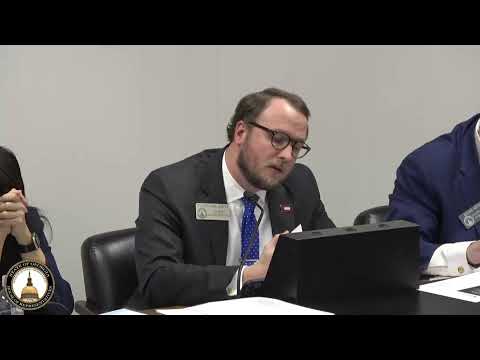
Senator Burns presented Senate Bill 74, which would change an existing statutory exemption that currently limits criminal liability for librarians who make collection decisions. The sponsor described the substitute as a targeted approach that specifies when the exemption would not apply.
Librarians, trustees, library associations and First Amendment advocates urged the committee to reject the bill or narrow it further. Steven Hauser of the West Georgia Regional Library System told members that the substitute could effectively bar under-18 dual-enrollment students from college and university libraries because academic collections do not typically have separate children's sections. "This bill would severely impact Georgia's dual enrollment students," Hauser said.
Testimony from library directors and trustees said libraries already follow selection and challenge procedures and that the proposed language would impose an impossible compliance burden. Catherine Palatsky, director of the Henry County Library System, said librarians follow rigorous selection policies and that parents already retain primary discretion over what their children read. "The parent has full discretion," she told the committee.
Free-speech advocates warned of constitutional and practical problems. Nora Benavides of Free Press cited a federal court decision in Arkansas that struck down similar provisions as overly broad; the witness urged the panel not to expose library staff to criminal penalties.
Public comment included library trustees, Friends-of-the-Library members and parents who said criminal liability for collection decisions would chill materials, threaten staffing and reduce access for underserved communities. Supporters of a stricter law argued the change is needed to keep sexually explicit or objectively harmful materials away from minors.
Outcome of the hearing: the bill’s substitute was discussed at length and multiple witnesses asked for revisions; at the close of testimony the committee did not vote on the bill and treated it as a hearing item for further consideration.