Get Full Government Meeting Transcripts, Videos, & Alerts Forever!
Get email alerts on the Transportation Polk Street topic
No spam. Unsubscribe anytime.
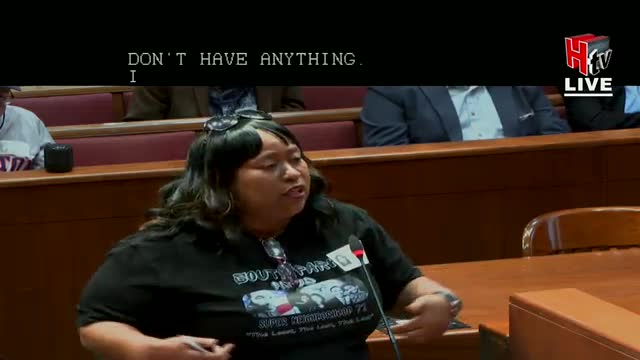
East End speakers urge council to reject Polk Street abandonment; warn of access and economic impacts
Summary
Business owners and neighborhood advocates urged the City Council on March 31 to reject a proposal to abandon Polk Street in the vicinity of the George R. Brown Convention Center, arguing the change would disrupt access, harm nearby businesses and complicate traffic patterns.
Business owners and neighborhood advocates urged the City Council on March 31 to reject a proposal to abandon Polk Street in the vicinity of the George R. Brown Convention Center, arguing the change would disrupt access, harm nearby businesses and complicate traffic patterns.
Several speakers, including Bruce Farrar, Scott Singleton and Roy Hirsch, said closing Polk Street and replacing it with a capped pedestrian plaza would remove direct bus access and risk isolating the East End from the expanded convention footprint. Scott Singleton, who identified himself as a Second Ward resident and exhibitor, said the economic model for ever-larger convention centers is weakened and that closing Polk would further damage East End businesses that rely on foot traffic and transit.
Why it matters: Speakers said the plan would force frontage-road traffic onto 14–16 additional intersections in some scenarios and could undermine thousands of low-wage jobs that convention-related development is meant to create. Supporters of the cap concept say it would create a pedestrian-focused plaza connecting downtown to the GRB; opponents said the loss of vehicular and bus access would be harmful and questioned financial and traffic modeling.
Council response: Council members acknowledged community concern and said they are seeking more detail. Council Member Castillo and others called for additional alternatives including making Leland Street two-way and for more analysis of traffic and transit access. City staff and members of Houston First were engaged in a parallel process of traffic and design reviews; no vote on abandonment was taken during the public comment period.
Ending: The council received public input and asked staff to produce additional analyses and engagement; community advocates urged elected officials to vote "no" if the abandonment is presented for final approval before those analyses are complete.