Get Full Government Meeting Transcripts, Videos, & Alerts Forever!
Get email alerts on the Childcare Workforce topic
No spam. Unsubscribe anytime.
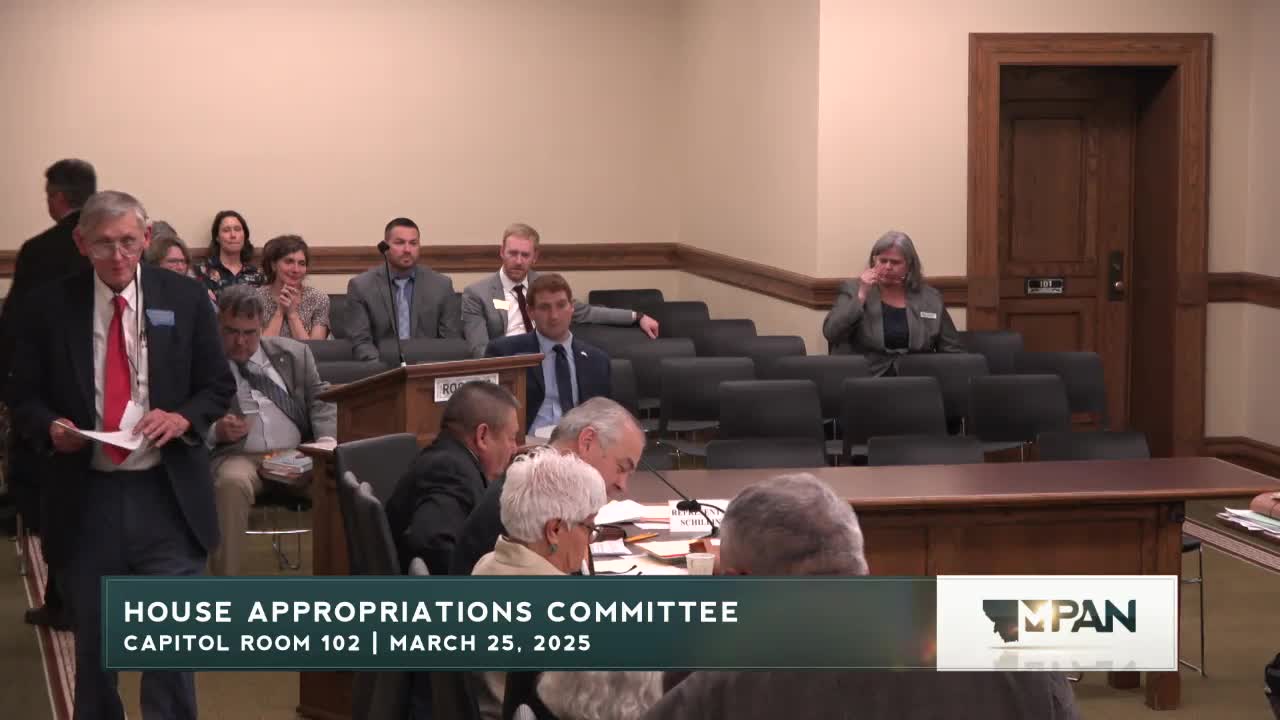
Appropriations hears bill to expand Best Beginnings eligibility for child-care workers' children
Summary
House Bill 456 would make children of qualified child-care workers eligible for the state Best Beginnings scholarship, with an appropriation of about $5.5 million; sponsor and department witnesses discussed participation assumptions, a 60-hour monthly eligibility threshold, and use of federal preschool-development funds that expire in late 2025.
Representative Jonathan Carlin brought House Bill 456 to the committee, saying the bill would expand Best Beginnings child-care scholarships to children of child-care workers so those workers could afford child care and remain in the workforce.
Carlin said the bill includes a general-fund appropriation (around $5.5 million) and that calculations depend on assumptions about how many child-care staff have children aged 0-5 who would become newly eligible. Using one set of assumptions the sponsor described, an estimated 500 children could be served; the fiscal note used a slightly different uptake assumption and estimated roughly 404 children. Carlin told members he would provide the committee with his calculations.
Tracy Moseman, administrator for the Early Childhood and Family Support Division at DPHHS, explained program mechanics: Best Beginnings eligibility is linked to approved activities and hours worked. The department said the program's current requirement for eligibility is 60 hours per month of qualifying activity (about 15 hours per week). The size of the scholarship is determined by an eligibility specialist and is subject to federal rules for families below program thresholds.
Witnesses from Montana Advocates for Children, the Montana Chamber of Commerce, licensed providers and workforce groups testified in support and said the pilot program reduced staff turnover by more than 20% and increased provider stability. Proponents urged the committee to fund the existing pilot's expansion because the pilot relies on federal preschool-development grant funds that expire in December 2025.
Department fiscal staff and the sponsor discussed co-pay assumptions for families and whether federal rules limit state flexibility to change co-pay scales. The department said children of staff below 185% of the federal poverty level are currently funded by federal grant resources; this bill would extend eligibility beyond that group, funded by general fund appropriations in the bill.
Committee members asked for written clarifications: the sponsor said he would provide a written breakdown of his uptake assumptions, and the department said it would confirm any federal-code cross-references used in the bill. The hearing closed without recorded committee action in the transcript portion provided.