Get Full Government Meeting Transcripts, Videos, & Alerts Forever!
Get email alerts on the Accessibility Trails topic
No spam. Unsubscribe anytime.
Non-ambulatory trail pass bill draws support, departmental concerns over scope and implementation
Summary
Senate Bill 533 would create a non-ambulatory motorized recreation pass for state-managed trails and roads to improve access for people using motorized wheelchairs; the Department of Fish, Wildlife & Parks supported the concept but opposed the draft language, citing unclear obligations, cross-agency mapping responsibilities and ADA concerns.
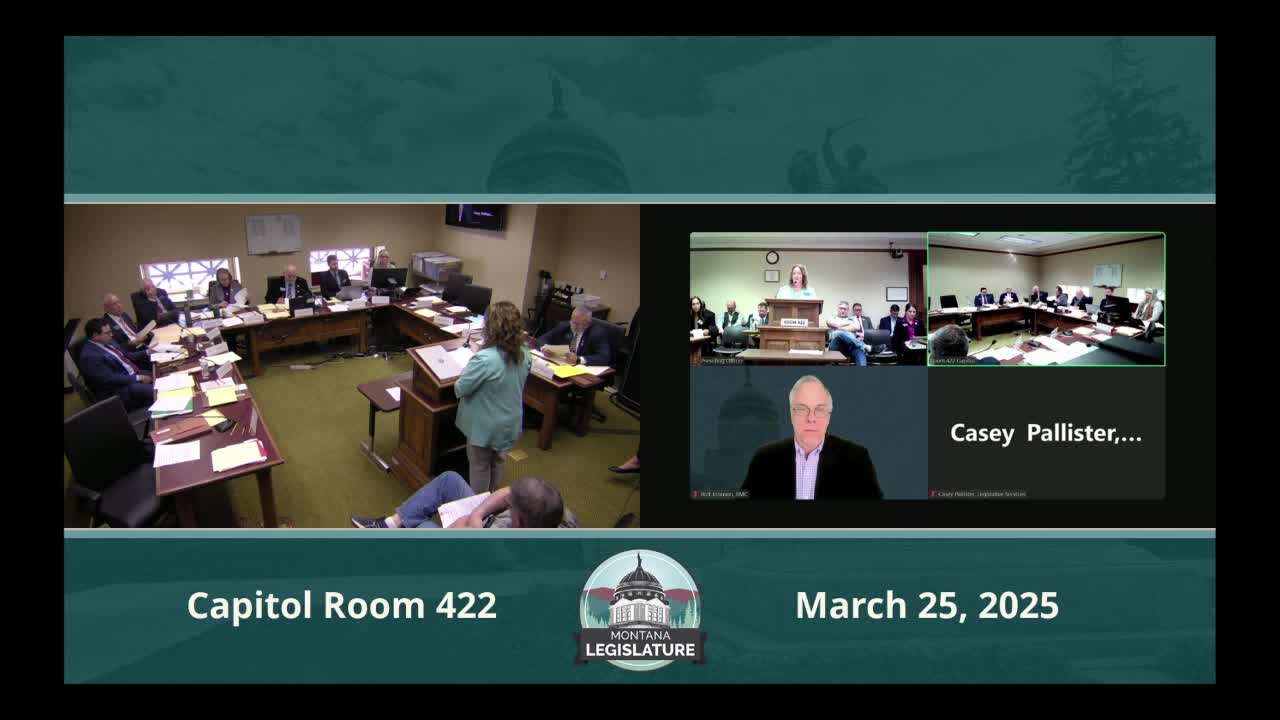
Senator Sarah Novak introduced Senate Bill 533 to the Fish and Game Committee as legislation to create a non-ambulatory recreation access pass and a $5 motorized-recreation pass for eligible users to improve access to some trails and roads on state-managed lands.
Novak said the bill’s intent is to allow people who use motorized wheelchairs or other motorized equipment because they are non-ambulatory to access appropriate trails and to prompt FWP to classify and post trail accessibility information. She urged the committee to view the bill as a start to a broader conversation about accessibility on state lands and parks.
Department of Fish, Wildlife & Parks legal counsel testified in soft opposition. The counsel told the committee the department does not oppose the concept but raised implementation concerns: the bill’s definitions of “public trails” and “recreation trail road” reference state lands “designated, maintained, mapped, and marked by the state land management agency,” which would extend FWP’s obligations to trails on state lands administered by other agencies (notably DNRC). The department said it lacks the authority, staffing and mapping responsibility to assume classification and posting obligations across other agencies’ properties without further interagency agreement.
FWP legal counsel also warned about section 5’s requirements to open or reopen trails and roads and to post restrictions online and at trailheads; counsel said those duties are unclear and could expose the department to challenges over how it fulfills reopening, maintenance and posting obligations. The department also raised a potential ADA concern about charging a fee for the pass and whether charging a disability-related fee would run afoul of federal law.
Supporters included disability-advocacy witnesses who described personal experience with limited trail access and urged accommodation. Proponents emphasized the bill targets state-managed lands and not federal lands because the state lacks jurisdiction over federal properties. Senator Novak said she would work with FWP to refine language and suggested piloting a limited number of trails per region to make implementation manageable.
Backcountry Hunters and Anglers registered opposition, expressing concern that expanding motorized access could undermine seasonal closures intended to protect wintering elk and preserve hunting opportunity; the group asked the committee to table the bill until language is narrowed to avoid negative wildlife impacts.
The committee did not take a final vote in this hearing; sponsors and agency staff agreed to continue work on definitions, interagency responsibilities and potential pilot approaches.