Get Full Government Meeting Transcripts, Videos, & Alerts Forever!
Get email alerts on the Zoning topic
No spam. Unsubscribe anytime.
Bill would speed minor county zoning text changes; opponents warn of lost process
Summary
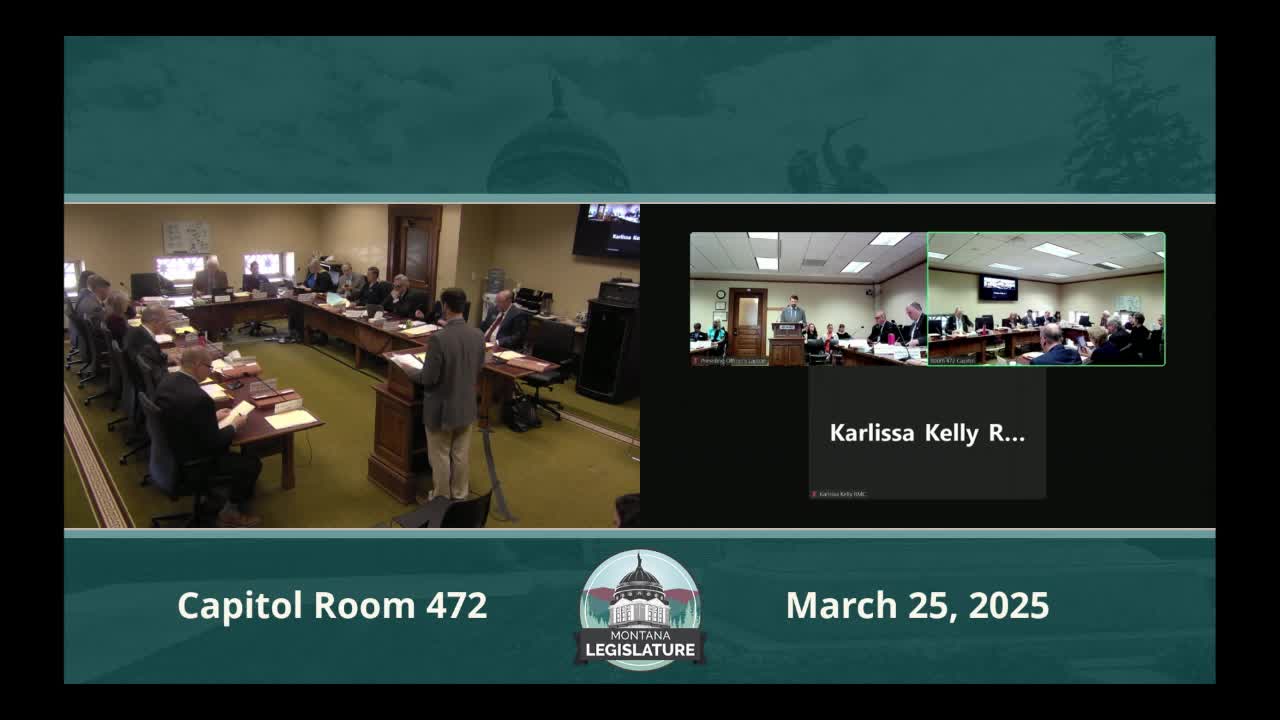
Sen. Forrest Mandeville told the House Local Government Committee that Senate Bill 175 would create a streamlined process for minor county zoning text amendments, shortening the minimum public-notice period for those changes.
Sen. Forrest Mandeville told the House Local Government Committee that Senate Bill 175 is intended to create a quicker statutory process for making amendments to county-administered zoning regulations (part 2 zoning) when the change is limited to text amendments rather than the establishment or rezoning of districts. “There is no process in statute to really amend a zoning code,” Mandeville said. He explained local governments typically rerun the full part 2 zoning process to make small changes, a process that can take several months because of publication and written-comment windows.
Proponents told the committee the bill would keep public hearing and notice requirements but shorten the minimum notice for simple text amendments. Adrienne Cotton of the Montana Building Industry Association told committee members the bill “helps landowners and developers stay informed and involved” and “creates consistency in how zoning actions are handled.” Jordan Green, vice president of the Montana Association of Planners, testified that the bill shortens the notice requirement for simple zoning text amendments from 45 days to 15 days and would still require public hearings; major changes such as rezoning land or changing boundaries would remain subject to the longer notice period.
Opponents said the shorter process risks diminishing due process for nearby property owners. Matt Elsesser, deputy director of Upper Missouri Waterkeeper, testified in opposition and urged retaining the longer public process when substantive neighborhood impacts are possible: “Some of these changes…are substantive, and these are things that should take time…You need a public process to catch things even if the change seems minor,” he said.
Committee discussion clarified the bill applies only to county-administered part 2 zoning, not municipal zoning governed under part 3. Mandeville said emergency zoning provisions remain available to counties that need immediate action and argued the bill’s intent is to provide a simpler path for minor, compliance-driven text amendments.
Why it matters: The bill would shorten statutory public-notice windows for limited, technical changes to county zoning regulations, allowing counties to respond more quickly to minor regulatory updates or to implement changes required by state law. Opponents warned the change could reduce public scrutiny for changes that might have substantial local effects.
Outcome: No final committee vote was recorded during the hearing.