Get Full Government Meeting Transcripts, Videos, & Alerts Forever!
Get email alerts on the Public Health topic
No spam. Unsubscribe anytime.
Officials describe opioid‑settlement spending and sustainability plans for the wellness village ecosystem
Summary
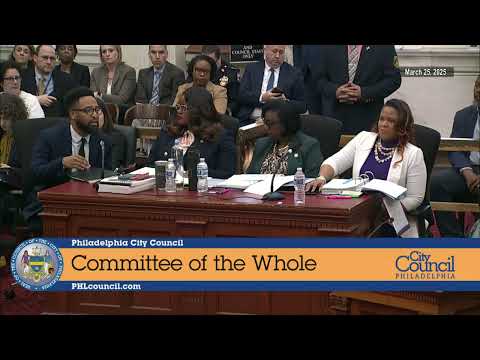
Managing Director Adam Teal and budget officials described how opioid settlement funds and other city dollars are proposed to support a “wellness village” ecosystem for treatment, recovery and outreach services.
(Note: some long testimony covered opioid settlement allocations and the city's plan for a wellness village and longer‑term sustainability. This article summarizes the administration's testimony and council questions.)
Managing Director Adam Teal and budget officials described how opioid settlement funds and other city dollars are proposed to support a “wellness village” ecosystem: treatment and recovery beds, outreach, wound care and other harm‑reduction services. Teal said approximately $50 million of the proposed plan would go to non‑wellness items within the opioid settlement portfolio (programming in corrections, MAT inside correctional facilities, outreach and housing continuum items) and that the remainder of opioid settlement funds would be targeted to the wellness ecosystem and recovery continuum.
Teal and other administration officials said many partners currently seek Medicaid reimbursement and that the city is working with the Commonwealth and other agencies to increase Medicaid reimbursement where possible. Managing Director Teal said the goal is to catalyze a broader market for recovery and treatment services to reduce the amount the city must provide in perpetuity, while acknowledging a continuing city role for recovery gaps. He and other officials said the city hopes to combine Medicaid, settlement funds, philanthropy and other public and private resources to sustain operations long term. Officials acknowledged risks if federal Medicaid policy were to change materially.
Council members asked how much of opioid settlement funds go directly to the wellness village versus other priorities and asked whether providers will be able to bill Medicaid. Budget staff and the managing director committed to provide more detailed allocation figures and to continue discussions about long‑term revenue strategies to cover operating and capital costs.
Ending: Officials said the wellness ecosystem’s long‑term sustainability depends on diversified revenue, stronger Medicaid reimbursement pathways and continued philanthropic and jurisdictional support; city staff promised further allocation breakdowns and follow‑ups with council and community partners.