Get Full Government Meeting Transcripts, Videos, & Alerts Forever!
Get email alerts on the Homelessness topic
No spam. Unsubscribe anytime.
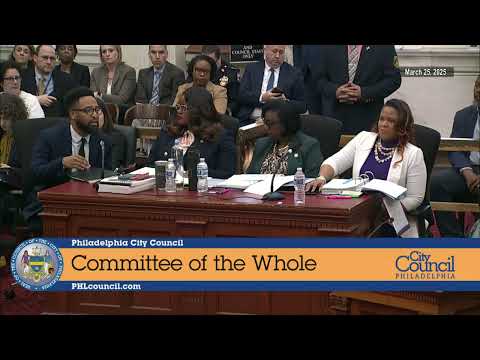
Council hears early results and expansion plans for wellness court pilot and homelessness services
Summary
Officials told council the wellness court pilot has enrolled roughly 35 people in six weeks and that the FY26 budget would expand the program to five days a week using proposed funding; the administration said evaluation will take months and that PAD and other services will scale up in coordination.
Council members pressed the administration for details about a pilot wellness court for people with behavioral‑health and substance‑use involvement, and city officials described early enrollment and planned expansion tied to the FY26 budget.
Councilmember Ketsi Lozada asked whether the pilot — which has been operating one day per week — has a specific budget allocation for evaluation. Public Safety Director Adam Geer and other officials said the pilot is still in its early weeks. Geer said approximately 35 people had entered the wellness court to date and that the administration needs more time to produce a formal evaluation. “We’re still about, well, 6 weeks into our pilot program,” Geer told the council. He said detailed metrics would be provided later in the summer once the program has run long enough to produce meaningful data.
The administration said the mayor’s proposed budget includes $2.6 million to expand wellness court operations to five days a week, and officials tied the expansion to other planned service increases. Geer and other staff said the expansion pairs with other investments in addiction diversion and treatment: the administration said PAD operations are scheduled to expand to 24/7 operations at a PAD facility by the end of the month, and opioid‑funded programs and treatment beds are being coordinated alongside the pilot.
Sheryl Hill, director of the Office of Homeless Services, said the city is engaging individuals with lived experience and service providers to monitor the shelter system and the wellness program’s pathways; she said a shelter‑system survey exists but that officials want a deeper engagement to understand barriers to housing exits. Hill said the mayor’s budget proposes $2.6 million (as mentioned) and associated PAD expansion to reach seven‑day, 24‑hour operations at a PAD facility.
Councilmembers requested follow‑up metrics on acceptance rates into wellness court, appearance rates for required treatment and program outcomes (such as placements into supportive housing). Administration staff committed to provide more detailed metrics after a longer pilot period and promised a mid‑summer update.
Ending: Officials said evaluation will take time and that the city plans to scale the pilot only after careful review; councilmembers requested more granular data on participation, retention, housing outcomes and costs before committing to a full scale‑up.