Get Full Government Meeting Transcripts, Videos, & Alerts Forever!
Get email alerts on the Zoning In Family Conveyance topic
No spam. Unsubscribe anytime.
Fiscal Court tables ordinance-committee recommendations on in-family conveyances after debate
Summary
After committee recommended multiple restrictions for in-family conveyances, including acreage minimums and residency requirements, the full fiscal court voted 5–3 to lay the committee's recommendations on the table for further review.
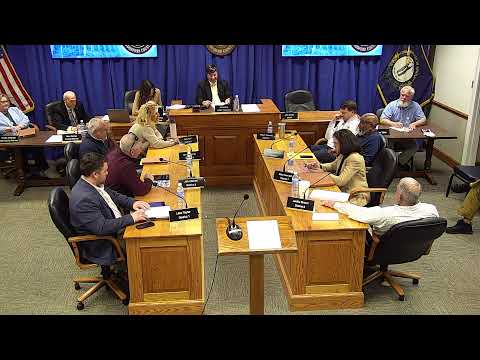
The Woodford County Fiscal Court voted 5–3 to lay on the table proposed zoning text amendments and ordinance-committee recommendations addressing in-family conveyances, delaying a decision so magistrates could gather constituent feedback.
Squire Gill presented the ordinance committee’s recommendations to return the proposed amendments to the Planning Commission with conditions. The recommendations included that applicants be Woodford County residents; that an affidavit attest parcels are being used consistent with agricultural use; and minimum parcel requirements: no in‑family conveyance from farm parcels under 35 acres, one conveyance permitted for 35–49‑acre parcels, and two conveyances for 50 acres and above. The committee also proposed an in‑family lot minimum of five acres with legal frontage, a 10‑year residency requirement for both primary and conveyance parcels after deed recordation, and that conveyances be limited to parent→child or grandparent→grandchild transfers. Gill moved the recommendations to the full court.
During discussion, some magistrates urged more time to collect constituent input, and one magistrate said a five-acre minimum felt arbitrary in some cases and could adversely affect applicants. After procedural exchanges, a motion to lay the committee report on the table passed with a roll call announced by the judge as 5 in favor and 3 opposed.
The judge explained that removing the item from the table in a future meeting would require a majority vote of the court. The ordinance committee’s report will remain tabled until a future court meeting where members may vote to take it up again or dispose of the committee’s recommendations.