Get Full Government Meeting Transcripts, Videos, & Alerts Forever!
Get email alerts on the Zoning Variance Automated Parking topic
No spam. Unsubscribe anytime.
Columbus BZA denies maneuvering variance for automated parking structure at 1011 S. Sullivan amid neighborhood opposition
Summary
The Board of Zoning Appeals denied a maneuvering variance for an automated parking structure proposed at 1011 South Sullivan Avenue after hours of testimony from residents and the applicant; the developer said it will revise the plan and may return.
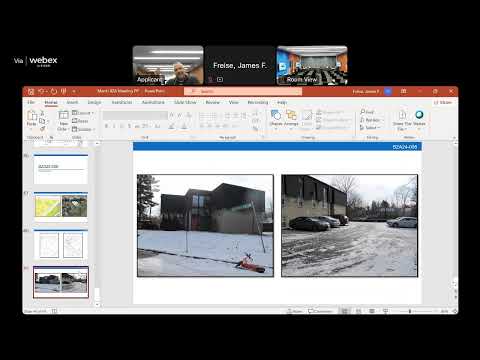
The Columbus Board of Zoning Appeals on March 25 denied a maneuvering variance sought for an automated parking structure proposed at 1011 South Sullivan Avenue, a decision that followed lengthy testimony from neighbors and applicants and months of prior review.
The applicant, represented in part by Rob Ellis, sought a single maneuvering variance that would allow an automated, stack-based parking system to serve a proposed off‑site hotel. Ellis argued the variance was necessary because site constraints and the automated system design eliminate conventional drive lanes and that the parcel otherwise could not be used for the intended parking structure.
Neighbors urged denial. Jack Chambers, who said he lives between the proposed garage and the hotel, told the board the structure would be 20–30 feet taller than nearby buildings and “place a significant and unnecessary burden on the community.” Benjamin Iten and other residents said the garage would increase alley congestion, likely reduce property values and produce noise and vibration they said would not be mitigated by a façade. “I live directly behind where the structure would be built. It would definitely impact our property values,” Jamie Iten said.
Why it mattered: The request asked the board to weigh the seven Duncan factors used in Ohio zoning decisions — whether the property can be reasonably used without the variance, whether the variance is substantial, whether the neighborhood’s character would be altered, among others. Board members repeatedly referenced those factors during deliberations and said testimony on hours of operation, noise, staffing and the relationship between the proposed parking structure and the off‑site hotel was inconsistent.
Board discussion and outcome: Several members said the record did not show that the variance met the Duncan test. One member described the maneuvering request as effectively multiplying the impact because it applied to roughly 56 stacked vehicle positions; another said the record contained inconsistent answers about operating hours and noise mitigation. After deliberation the board voted to deny the maneuvering variance. The board recorded multiple explicit “no” votes during the roll call; the denial means the applicant will not be able to proceed with the proposed automated garage as presented.
Applicant response and next steps: After the vote the applicant told the board they intend to revisit the project design and “reduce our counts on the rooms and move parking within totally concealed in the manufacturing district,” and said they may return to the board in about a month with a revised plan.
What was contested: Neighbors focused on scale, noise, vibration and alley congestion, and some said the design favored sedans and would not accommodate common vehicle sizes. The applicant cited case law and the recent UGN‑1 zoning change, contending the proposed use is permitted in the district and that the variance responds to physical site constraints and an automated system design that eliminates traditional maneuvering lanes.
The board’s denial preserves current zoning limits. The applicant signaled plans to modify the project and return to the BZA for further consideration.