Get Full Government Meeting Transcripts, Videos, & Alerts Forever!
Get email alerts on the School Budget topic
No spam. Unsubscribe anytime.
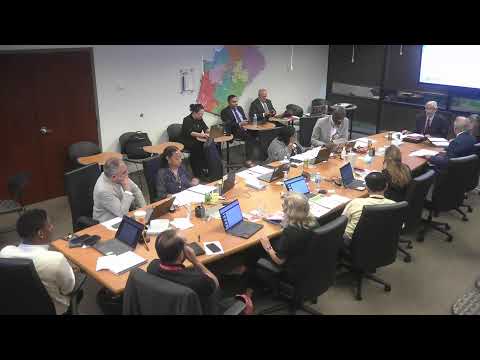
Wake County Schools leaders outline proposed budget realignment, ask board for direction
Summary
Wake County Public School System budget staff and department leaders presented a set of proposed realignments to the superintendent's proposed budget at a Budget & Finance Committee meeting, saying the package is intended to bridge a local funding shortfall while limiting harm to instruction.
Wake County Public School System budget staff and department leaders presented a set of proposed realignments to the superintendent's proposed budget at a Budget & Finance Committee meeting, saying the package is intended to bridge a local funding shortfall while limiting harm to instruction.
The proposals include a temporary reduction in the district's employer dental premium contribution that would shift a $28-per-month employee-only payment to staff for approximately half of the next year (estimated net savings: $2.5 million); elimination of several vacant central-office positions tied to an unfilled planned expansion of area superintendents and related talent-acquisition roles; reductions in supplies and materials in central departments; cuts to contracted custodial, grounds and some transportation parts and services; and the temporary use of $1.7 million of proceeds from the anti-vaping ("Jewel") settlement to help balance the coming year.
Why it matters: district leaders said Wake faces a constrained local-revenue outlook, uncertainty in federal funding and a set of new local costs in 2025-26, including operating expenses for four new schools and locally funded pay increases for locally paid staff. Presenters said prior forecasts suggested additional local funding needs in the neighborhood of $60 million and that federal aid currently represents roughly 8% of the district's total budget.
What staff proposed and the board's immediate reaction
- Employer dental contribution: Under the proposal staff presented, Wake County Public Schools would stop paying the $28 monthly employer portion for the employee-only dental premium for roughly half of the enrollment/calendar year in the near term, producing an estimated $2.5 million in savings. Board members raised concerns about the effect on lower-paid staff and recruitment, and asked staff to develop alternatives such as sliding scales or targeted exemptions and to model replacement options if the board chooses not to accept the change.
- Vacant central-office positions: Dr. Gardner, the district's chief of schools, described removing five locally funded vacant positions and postponing the planned addition of a tenth area superintendent (and related support positions) that had not yet been filled. Human resources and area superintendents also proposed not moving forward with a vacant senior talent-acquisition position tied to that expansion, a change staff said would avoid layoffs because the positions are unfilled.
- Academic and student-support roles: Dr. Robinson, chief academic advancement, said the proposal includes cutting 10 digital learning coordinator positions (two were currently vacant) and removing five vacant certified nursing positions that the district has had difficulty filling due to higher pay and flexible schedules in clinical settings. Staff said contracted nurses and other arrangements would be used to sustain daily health services where necessary. The district also proposed recouping roughly 220 months of employment across counseling and student services by not filling central-office vacancies and by holding some school-level positions open as retirements or resignations occur; staff emphasized the plan is to avoid displacing incumbents.
- Operations, transportation and maintenance: Mr. Strickland, facilities and operations, presented potential reductions in fuel pre-purchases and in contracted services for parts, custodial support and grounds maintenance. He described examples such as reducing floor waxing frequency, delaying flooring replacement and reducing mulch or some grounds services. Board members asked for a more granular list of what would change and how the cuts would affect HVAC, building systems and community use of facilities.
- Restart allotments, high-school assistant principals and school-level budgets: Area superintendents recommended reducing the pool of restart allotments from $6 million to $5 million (staff said about $5 million of the prior $6 million historically supported personnel). Staff also proposed a modest change to the high-school assistant-principal formula (adjusting tiers by 100 students) affecting nine high schools and a reduction to the school instructional-supplies allotment. Presenters said principals would retain discretion over remaining site budgets.
- Technology and software: Technology staff said upgrades and contract renegotiations produced a small set of savings, including ending an out-of-support Oracle maintenance surcharge after an upgrade, and discontinuing the district's "Let's Talk" case-management service; the district would replace it with Google Forms and phone-based processes.
- Use of settlement funds: Staff proposed, as a one-time balancing step for the upcoming year only, using $1.7 million from the Jewel anti-vaping settlement; presenters said the board's earlier intent to direct those funds toward anti-vaping and student wellness remains for future budgets and that the $1.7 million would be restored in later years as funding allows.
Formal action taken at the meeting
The committee approved the minutes from the Jan. 28 meeting on a voice vote (motion by Miss Price; second by Chair Heggarty). No final votes were recorded on the budget recommendations; staff described the proposals as recommendations for board consideration at upcoming work sessions and public hearings.
Board direction and next steps
Members asked staff to return with more granular impact analyses in several areas, including: - a breakdown of the $2.5 million dental contribution savings and sliding-scale or targeted-exemption options; - line-item detail for proposed custodial, maintenance and transportation service reductions and the expected effect on school operations; - the list of specific schools affected by assistant-principal formula changes and by restart-allotment reductions; and - clarification of which coordinator positions are vacant and how incumbents might be reassigned.
Staff said they would provide more detailed options and replacement scenarios, accept board questions in writing, and present the refined proposals during April work sessions and further finance-committee meetings ahead of the May budget deadline.
Ending
Committee members repeatedly emphasized a desire to protect school-level instruction and staff while balancing the district's books; multiple members urged alternatives to across-the-board reductions where possible. Staff said the proposals are fluid and that the board will have additional opportunities to adjust the package after receiving the requested detail and public input.