Get Full Government Meeting Transcripts, Videos, & Alerts Forever!
Get email alerts on the School Budget topic
No spam. Unsubscribe anytime.
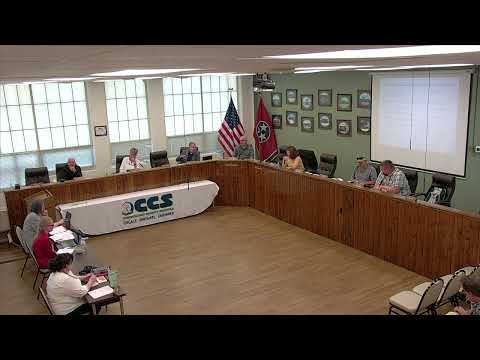
Cumberland County officials outline $7.6 million budget shortfall; staff propose cuts and work sessions
Summary
Cumberland County school officials presented an initial budget overview to the Board of Education and said the district faces a roughly $7.6 million shortfall if it maintains current staffing levels and planned maintenance projects.
Cumberland County school officials presented an initial budget overview to the Board of Education and said the district faces a roughly $7.6 million shortfall if it maintains current staffing levels and planned maintenance projects.
Mr. Depp, a staff member who presented the executive summary, told the board the presentation is intended as an introduction and added that the packet included multiple draft budgets and line‑by‑line detail that board members can review individually.
The shortfall stems primarily from state‑mandated teacher pay increases, rising insurance and retirement costs, and planned maintenance and capital projects. “This is the third year of our five‑year strategic plan,” Mr. Depp said, and he described the state’s multi‑year plan aiming to raise teacher minimum pay to $50,000 as a major driver of district costs.
Why it matters
District staff said the combination of mandated raises and benefit cost increases is the biggest immediate pressure on the budget, while long‑deferred maintenance and scheduled capital projects add large, nonrecurring costs. Board members discussed options that range from adopting the full budget at current staffing levels to delaying or cancelling projects and purchases to close the gap.
What officials reported
Salary and benefits: Presenter Mr. Depp said the governor’s pay plan moves first‑year teacher pay from roughly $40,000–$41,000 toward a $50,000 minimum, producing pay increases of nearly $10,000 for “a little less than 600” certified staff members. He also said the district expects health‑insurance cost increases in the 3%–10% range and estimated a roughly 9% increase in the retirement contribution rate. “The total for the increase was $3,600,000 for this year,” Mr. Depp said.
State funding and enrollment: District staff said state aid calculated under TISA (as presented to the board) is projected to increase by about $2 million, but the estimate was based on a preliminary student‑count estimate that was about 75 students lower than the prior calculation. Presenters warned the monthly enrollment pulls and final May 30 count could change that figure.
Overall budget math: Officials described that maintaining current staffing, planned maintenance and the raises would bring total expenditures to about $83.4 million against projected revenues of approximately $75.8 million, leaving a $7.6 million gap. Staff produced an alternative “bookend” draft that trims several items and shows a reduced proposed budget of about $78 million; with those cuts, the remaining shortfall would be roughly $1.3 million, the presenter said.
Potential savings and proposed cuts
Staff identified several high‑cost items that could be delayed or reduced to close the gap: - Major summer maintenance/repairs currently slated but not yet bid: electrical work at Martin and Homestead, fire‑alarm upgrades at Cumberland County High School (North), and the “Brown Roof” project. Presenters noted some projects already have payments underway or parts already spent. Board members emphasized that many of the listed projects address safety, life‑cycle or code issues. - Bus purchases: the draft budget included two regular buses and one special‑education bus. Transportation staff said the fleet operates 72 routes and that buses are retired when they reach 205,000 miles or 12 years; presenters said about 68 buses are currently roadworthy, with approximately nine spares and one 90‑passenger bus on the roster. - Textbooks and curriculum adoptions: staff flagged a planned science textbook adoption and an Agriscience CTE purchase (about $50,000) as items that could be postponed. Presenters noted some subject adoptions are on multi‑year cycles and the district has skipped or deferred certain adoptions in recent years. - Personnel adjustments: staff described department‑level nonpersonnel reductions, a finance controller position under consideration, and nine part‑time tutors proposed to replace ESSER‑funded tutor positions. Presenters noted state law requires certain tutoring services (mentioned in the meeting in connection with third‑ and fourth‑grade tutoring and third‑grade retention), which constrains some staffing decisions.
Board discussion and concerns
Board members repeatedly pushed staff to clarify which items are already contracted or paid and which could be postponed without violating safety or prior board approvals. One board member noted that several projects under consideration for removal were previously approved by vote and said cancelling them at this stage would require board action. Multiple members stressed that electrical and alarm work are safety issues and cautioned against deferring such projects.
Next steps
Staff asked the board to consider approving the salary scales and step raises identified in the packet so that number could be fixed in the budget. Presenters offered to meet one‑on‑one with board members to review line items and said electronic copies of the draft budgets would be distributed. The board and staff began scheduling additional budget work sessions in the weeks ahead, with several proposed meeting dates at 4 p.m. to drill into the drafts and attempt to close the remaining gap.
Ending
Officials framed the presentation as an initial step: staff will provide detailed electronic workbooks and meet individually with board members as needed. The board will continue discussion in scheduled work sessions and may vote on specific budget decisions after further review.