Get Full Government Meeting Transcripts, Videos, & Alerts Forever!
Get email alerts on the Student Devices topic
No spam. Unsubscribe anytime.
Policy committee reviews draft personal wireless device rule; key decisions on definitions, exceptions and enforcement deferred
Summary
Staff presented a draft policy limiting personal wireless devices in school; committee discussed major decision points including the device definition, elementary vs. high school rules, emergency exceptions, searches, confiscation and next steps for April work session.
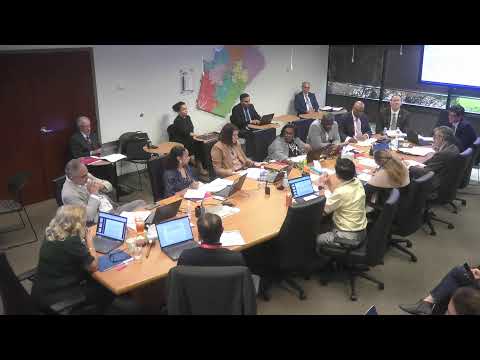
Wake County Schools staff presented a draft policy on student use of personal wireless communication devices and the policy committee reviewed major decision points in a lengthy discussion that will return to the board work session on April 22 for a revised draft.
Staff said the draft is founded on a North Carolina School Boards Association model and informed by local stakeholder surveys, focus groups, and discussions with school leaders. The draft divides rules by school level: elementary and middle school students would be permitted to possess devices but must keep them silenced/off/airplane-mode and not visible during instructional bell-to-bell time, while high school students would be allowed to display or use devices during specified noninstructional times such as class transitions and lunch.
Exceptions in the draft include devices authorized by an IEP, Section 504 plan, or individualized health plan; teacher-authorized use for instructional purposes; and use necessary to communicate with parents or emergency personnel in "sudden emergency" situations. Staff said the Senate bill under consideration (Senate Bill 55) would require devices to be turned off, while a House bill is less specific; staff and board members acknowledged the legislature could change requirements and the district will monitor bills and any NC School Boards Association guidance.
Committee members raised multiple definitional and enforcement questions the draft leaves open. Members debated whether to include wireless headphones and earbuds in the definition, how to treat devices on buses and field trips, and how to define "sudden emergency." Staff said buses will be covered but that safe operation may require discretionary driver or site-level determinations. Staff also noted field trips were not specifically addressed in the draft.
On searches and privacy, the draft says a student's device and its contents (including text messages and photos) "may be searched whenever a school official has reason to believe the search will provide evidence that the student is violating a law or policy." Staff recommended adding a clarifying sentence that mere possession or unauthorized use of a device does not by itself authorize a search of its contents; committee members asked staff to consider adding that language to the district's general student search policy as well.
The committee discussed enforcement options and confiscation practices. Staff said practices vary by school: typical steps include warning, temporary confiscation during class, teacher removal for the day, and, in repeat cases, escalating disciplinary responses consistent with the student code of conduct. Board members emphasized the need to avoid unintended harms to students or staff (for example, the logistics and liability of storing and returning expensive devices) and suggested stronger parent notification and involvement when confiscation occurs.
Staff said they will collect committee edits and return a revised draft at the April 22 work session. The committee discussed district communications with families (handbook and website notices) and staff asked staff to prepare suggested language for emergency definitions, field trips, and bus operations for the next draft.
Quotations and statements in this article are taken from the meeting transcript and attributed to named speakers in the speaker list below.