Get Full Government Meeting Transcripts, Videos, & Alerts Forever!
Get email alerts on the Adaptive Reuse topic
No spam. Unsubscribe anytime.
ZBA approves Rockledge adaptive‑reuse plan, allowing eight residential units with conditions
Summary
The Zoning Board adopted a resolution granting an area variance for the Rockledge adaptive‑reuse project to allow eight dwelling units, subject to unit caps in the Stone Barn and Manor House, payment of fees, and other conditions.
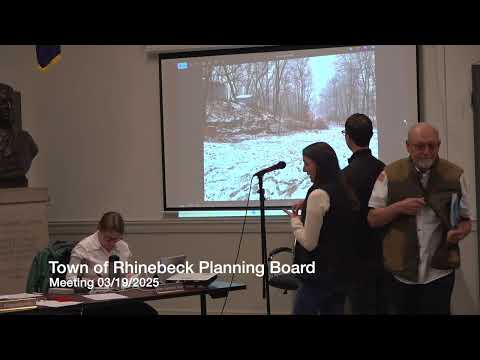
The Town of Rhinebeck Zoning Board of Appeals voted on March 19 to adopt a resolution granting an area variance for the adaptive‑reuse project at Rockledge, permitting a total of eight residential dwelling units across two historic structures under specified conditions.
The resolution allows the applicant, Hudson Valley Rhinebeck, LLC, to transfer two residential units from the smaller Stone Barn to the larger Manor House so that the Stone Barn will contain no more than two units and the Manor House no more than six. The board found that the benefit to the applicant outweighed any detriment to neighborhood character and imposed conditions intended to preserve the historic exteriors and ensure the town’s financial and procedural requirements are satisfied.
Key conditions recorded in the resolution include: (A) the Stone Barn shall have a maximum of two residential dwelling units at all times; (B) the Manor House shall have a maximum of six residential dwelling units at all times; (C) the variance is contingent on the applicant’s payment in full of all town fees and escrow deposits connected to the application and related review; (D) the plans must be constructed in conformity with the submitted application and remain subject to any changes or conditions required by the Town Planning Board; and (E) the grant will be nullified unless the proposed project is commenced within one year of the resolution.
Board members voted in favor of adopting the resolution on the record; the roll call recorded affirmative votes. A board member noted that two nearby neighbors had expressed support for the limited unit distribution, and staff confirmed the resolution was posted on the town website.
Why it matters: the decision resolves a contested unit‑allocation question for a historic adaptive reuse project and sets binding unit caps and procedural conditions meant to preserve exterior historic character and ensure fee compliance before the variance is deemed granted.