Get Full Government Meeting Transcripts, Videos, & Alerts Forever!
Get email alerts on the Fire Protection topic
No spam. Unsubscribe anytime.
Board directs staff to explore funding, tax and district‑formation options after Dunnigan fire district appeals for help
Summary
After the Dunnigan Fire Protection District sought county support, supervisors voted 4'— to have staff examine one‑time funding, targeted sales‑tax sharing and use of community facilities districts or Mello‑Roos financing tied to new development.
The Yolo County Board of Supervisors voted 4'— on March 25 to have county staff analyze a set of options to support the Dunnigan Fire Protection District after the district and community representatives requested help sustaining fire protection and other local services.
Supervisor Angel Barajas moved the direction; Supervisor Lucas Riggs seconded the motion. The final vote was four in favor and one opposed (Supervisor Allen), with the board agreeing to three paths of study: (1) consider a one‑time county grant (the county already maintains a program providing up to $1.5 million to fire districts under certain conditions); (2) develop a policy framework for sharing sales‑tax revenue from major new development with a special district under narrowly tailored, project‑specific agreements; and (3) explore use of community facilities districts (CFDs) or Mello‑Roos taxes to fund services for new development (with reference to the recently approved Dunnigan Truck & Travel Center).
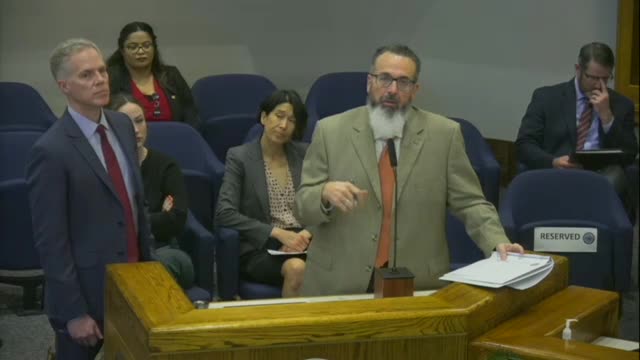
Dunnigan officials told the board their district handles high call volumes (presentations cited roughly 500 calls per year) but has failed a previous property‑assessment measure and lacks other sustainable revenue. "With the commercial growth comes demands and impacts on a community," Dunnigan resident and onsite commenter William Webber told the board, urging a share of new sales tax revenue for local services.
Developer and Dunigan resident Mel Smith, who said he built 240 affordable units in Dunnigan, told supervisors that retail and travel center development has produced sales tax revenue for the county general fund but little reinvestment into Dunnigan's infrastructure: "None of that money has ever come back to Dunigan," he said during public comment, citing unfilled potholes, drainage problems and unmet infrastructure needs.
County counsel and county administrative staff told the board there are legal limits on permanent sales‑tax sharing with special districts (state law expressly allows sales‑tax sharing between cities and counties but not with special districts), but staff said targeted, project‑specific agreements or one‑time allocations are feasible. Staff also recommended discussion of CFDs and Mello‑Roos taxes, a financing approach often used to fund infrastructure for new development.
Supervisor comments reflected a mix of urgency and caution. Several supervisors supported exploring all three avenues but urged staff to coordinate with the fire sustainability ad hoc group, other fire district chiefs, and to return with equitable proposals and options that would avoid unfairly advantaging one district over others.
The board motion directed staff to return with analyses and recommendations; no immediate county appropriation was approved at the March 25 meeting.
What the board asked staff to analyze: - Allowing Dunnigan to apply again for one‑time county grant funding under the county's existing program (noting the program's current rules and limits); - Whether and how targeted, non‑permanent sales‑tax sharing agreements tied to specific development revenues could be structured legally and fairly; and - Whether CFDs/Mello‑Roos financing or development agreements could meet service needs generated by the Dunnigan Truck & Travel Center and similar projects.
The board's direction signals further staff work and outreach to fire districts and other stakeholders before any funding commitment.