Get Full Government Meeting Transcripts, Videos, & Alerts Forever!
Get email alerts on the Higher Education Civic Education topic
No spam. Unsubscribe anytime.
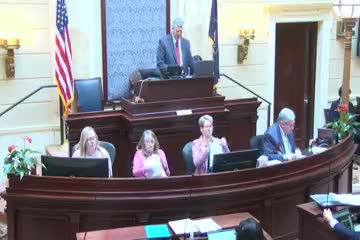
Senate advances bill to create Center for Civic Excellence at Utah State University after extended debate
Summary
Senator Mike Johnson’s Senate Bill 3-34, which would establish a Center for Civic Excellence and a core curriculum module at Utah State University focused on the Western intellectual tradition and American institutions, advanced after several senators debated scope, funding and academic independence.
The Utah Senate advanced Senate Bill 3‑34, a bill to establish a “Center for Civic Excellence” at Utah State University (USU) and to create a coordinated general‑education core focused on foundational Western and American texts and civic principles.
Sponsor Senator Mike Johnson described the center as “an academic hub for studying America’s founding principles and the intellectual traditions that shaped our republic,” listing authors and thinkers he said the program would study and arguing the curriculum would foster “engaged citizens who understand the moral and philosophical foundations of freedom.” He said the effort is intended as a pilot at USU and that the center would support a three‑credit course on American institutions and a more coherent general‑education core.
Floor debate was lengthy. Supporters, including Senators McHale, Brammer and Milner, said the measure would restore common intellectual foundations and strengthen critical thinking and civic knowledge. Senator McKay cited survey data on civic knowledge to argue in favor. Critics, including Senator Kwan and Senator Weiler, questioned whether data show students lack familiarity with classics, expressed concern the bill is prescriptive or narrow, and warned about directing ongoing funds to a single university. Senator Weiler asked whether USU could implement a comparable program without a recurring $500,000 appropriation; Senator Johnson said the university asked for legislative action and campus leaders had approached him.
Sponsor’s framing and scope: Johnson emphasized the program’s focus on primary texts and the “moral life” themes and repeatedly framed the center as a pilot and a potential model for other institutions. At various points he named a wide range of authors and traditions, and supporters said the final curriculum would be developed by USU faculty. Senator Thatcher noted the bill applies only to the volunteering institution (the pilot university).
Fiscal and institutional issues: Senators questioned the fiscal note (noted on the floor as $500,000 ongoing in the bill summary) and whether the Legislature should set curriculum priorities or leave those decisions to university governance. The sponsor and supporters argued the pilot is voluntary and intended to address employers’ desire for graduates with critical‑thinking and communication skills.
Floor action: Senator Johnson moved the bill to third reading and a roll call in the call of the Senate followed. The Senate recorded a vote to advance the bill: 22 yeas, 5 nays, 2 absent; the bill was ordered to be read for a third time and will continue through the legislative process.