Get Full Government Meeting Transcripts, Videos, & Alerts Forever!
Get email alerts on the Reappraisal And Property Values topic
No spam. Unsubscribe anytime.
Interim county appraiser outlines rising property values, shortage of attainable housing in Olathe
Summary
Kara Endicott, interim Johnson County appraiser, told the Olathe City Council that assessed values rose about 8% countywide and that Olathe still has the largest share of homes priced under $300,000, but the stock is shrinking as supply lags demand.
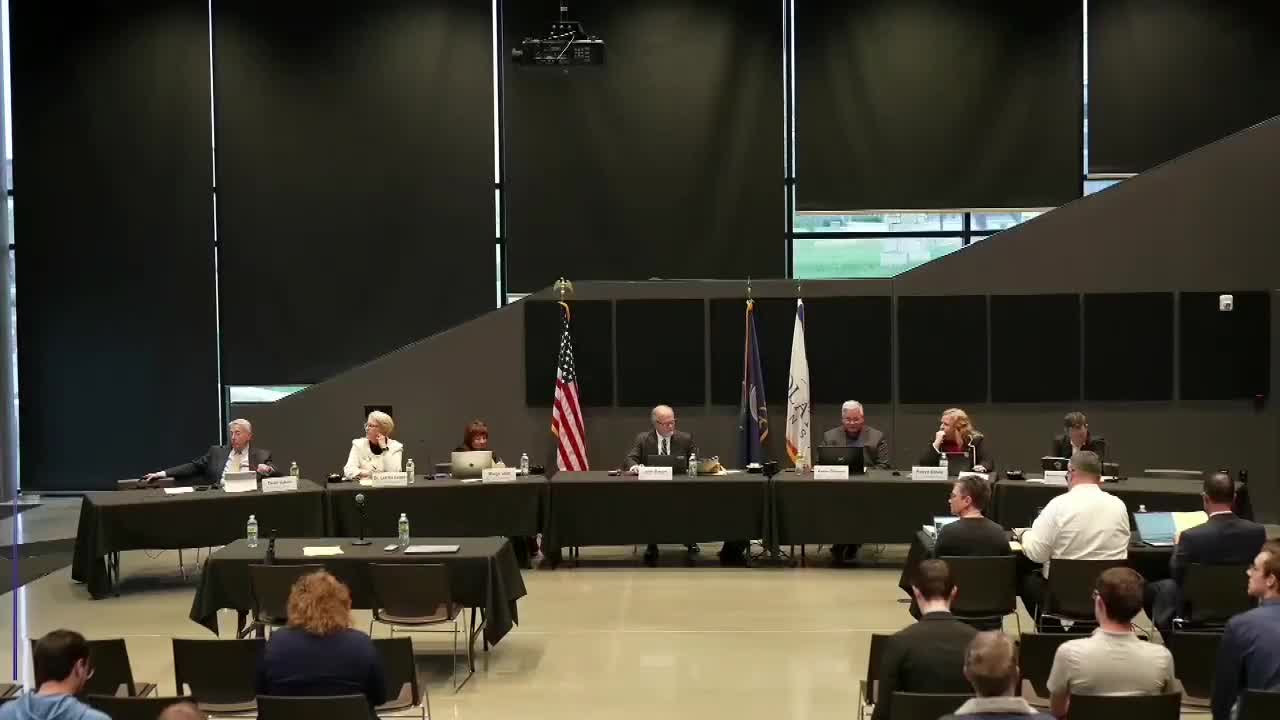
Kara Endicott, interim Johnson County appraiser, told the Olathe City Council on April 1 that Johnson County’s overall assessed valuation rose roughly 8% and that residential property remains the dominant share of local tax base.
Endicott said the county’s appraised value is about $23,000,000,000 overall, with roughly $19,000,000,000 in residential value, about $3,000,000,000 in commercial property and approximately $240,000,000 in vacant lots. "It's no secret to anyone that right now we have a severe shortage of housing in Johnson County and that it is very much a seller's market," Endicott said.
The appraiser presented nation- and county-level comparisons and internal breakdowns used to set next year’s valuations. She told the council the average sale price used in the reappraisal analysis was about $475,000 (sales from 2023–24), while the county's valuation model put average taxable values lower — around $437,000 for Olathe — because valuation uses a wider set of older and lived-in properties.
Why it matters: changes in appraised and assessed values affect local tax capacity and municipal budgets. Endicott emphasized that Kansas uses a fractional taxation system (residential properties are taxed on 11.5% of appraised value) so shifts in appraised value do not translate dollar-for-dollar into taxes.
Key points from the presentation - Permitting and supply: Endicott said single-family building permits in Olathe rose from about 300 to roughly 330 this year; she said the county would prefer to see something closer to 500 permits annually to relieve competition for homes. - Attainable housing: The county defines "attainable housing" in its presentation as homes priced under $300,000. Endicott said Olathe still has the largest share of homes at or below that threshold in Johnson County, but that stock has been declining over time. - Appraisal components: Endicott explained appraisal growth came largely from reappraisals of existing homes (about 6.5% cited for one period) while new construction contributed more modestly. She noted calculations are done "in arrears" using completed sales data from prior years. - Commercial and other classes: Commercial valuations rose roughly 2% through reappraisal with 5.5% growth from new construction; office values were pressured by higher vacancy. The appraiser named several large commercial additions affecting numbers, including a Walmart beef processing plant and Coca‑Cola facilities.
Council questions and clarifications - Councilmember Gilmore asked whether apartments counted in Endicott’s totals include units under construction. Endicott replied, "No. We only add them when they're completed and can be used." She added the same rule applies to hotels. - On construction permits vs. value recognition, Endicott said the county records new construction for the percent complete at year end, so a permit-heavy year may not show full valuation immediately. - Councilmember Felder asked about appeal volume. Endicott said the spring appeal period produced roughly 6,700–7,000 appeals countywide and noted the county has about 230,000 parcels; she encouraged property owners who disagree with valuations to bring evidence to the hearing process. - On comparative metrics, Endicott said Olathe and Gardner showed the healthiest growth in the county, driven by attainable housing supply. She noted average sale prices in Olathe rose about 5.5% year-on-year and appraised values about 7% in the most recent measure she presented.
What Endicott said about process and next steps Endicott described appraisal methodology constraints (using prior years' sales), statutory timing for picking up percent-complete new construction, and state-mandated procedures for verification of open-market sales. She also described remedies for property owners who miss the spring appeal window (the payment-under-protest opportunity in December).
Ending Councilmembers asked Endicott for follow-up materials on apartment price points and how Olathe compares to other Johnson County cities for multifamily affordability; Endicott agreed to provide additional slides and data in a future presentation.