Get Full Government Meeting Transcripts, Videos, & Alerts Forever!
Get email alerts on the School Closures topic
No spam. Unsubscribe anytime.
Pittsburgh school board debates starting public hearings on proposed closure of 10 buildings; no vote taken
Summary
Board members debated whether to authorize public hearings on a consultant-backed plan to close 10 Pittsburgh Public Schools buildings, with several asking for more data — including cost estimates, feeder patterns and demographer results — before hearings begin. No formal vote occurred at the March 19 agenda review meeting.
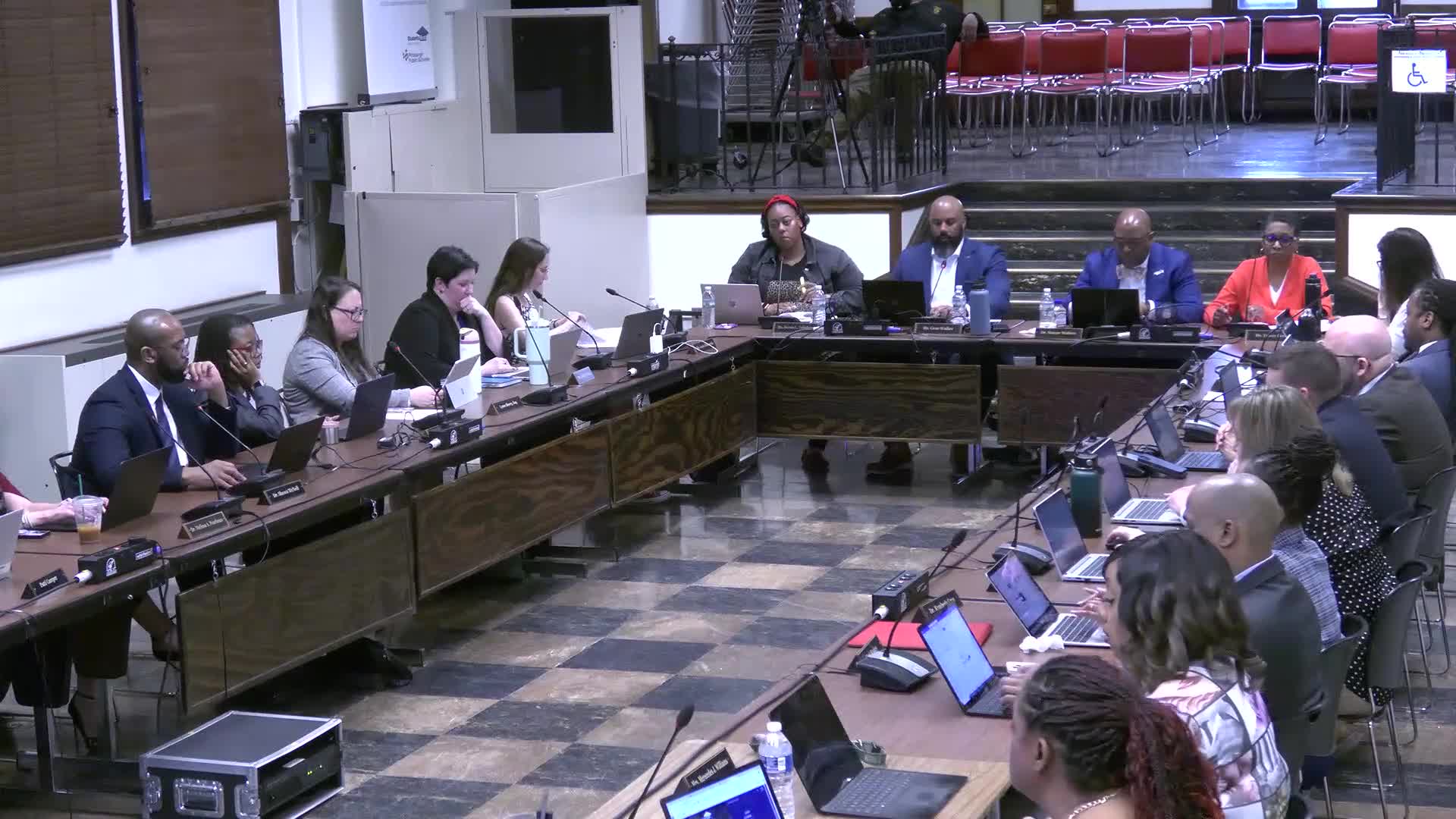
The Pittsburgh Board of Public Education spent the bulk of its March 19 agenda review meeting debating whether to authorize public hearings on a consultant-backed plan that identified 10 school buildings for possible permanent closure; the board did not vote on the item.
Board members said the hearing authorization — listed as agenda item 17.03, “resolution to schedule hearings to consider the permanent closure of certain Pittsburgh schools” — should not proceed until the district provides additional information the board and the public can use to evaluate the plan.
The discussion mattered because the closures would reshape feeder patterns, transportation and capital needs, and board members said families need clearer timelines and cost estimates before hearings begin. "If we say that this is a priority ... then we need to resource that appropriately," Board member Miss Yord said during the meeting.
Board members repeatedly asked for a single, consolidated list of the information they want before hearings are scheduled, including: budget estimates tied to closures (transportation and ongoing maintenance for closed buildings), feeder-pattern proposals and demographic analysis, timelines for renovation or reconfiguration, and planned disposition strategies for vacated properties. Several members urged that the district’s upcoming demographer report be completed and reviewed before the public hearing process begins.
"We can't say it's a priority and not put all of our board and administrative manpower behind doing our due diligence," Miss Yord said. Miss Short offered a draft list of requested items — including transportation cost changes, estimates of savings or increases associated with the plan, maintenance costs for closed buildings, capital costs for renovations and proposed disposition plans — and said she would consolidate the board's requests and forward them to the administration.
Other board members urged urgency. Board President Mr. Walker said a vote to begin public hearings would not itself close any school and would position the board to act promptly if it later decides to move forward. "This next vote does not close a single school," he said. "No school would be closed. No feeder pattern would change. No students would be displaced by opening the public hearing comment." Walker warned that delaying the authorization could push implementation farther into the future and, he said, would postpone planned improvements for students.
Several board members described the current situation as urgent but incomplete. Miss Silk said district students already suffer from uneven access to courses and services and supported restructuring while questioning whether the board has new information beyond the October consultant report and a subsequent feasibility review presented by district staff. "We now know that the administration supports most of ERS's recommendations," she said, "but I have concerns about initiating public hearings with this amount of information."
Board members asked for procedural clarifications. The board secretary will schedule hearings in consultation with the board and legal counsel if the board votes to authorize them; the meeting record includes repeated references that state notice rules require at least 15 days’ public notice before a hearing and that, under state notice provisions discussed at the meeting, a three-month waiting period applies before a board can vote to close a particular building after hearings are complete. A district official stated the district has a priority list for implementation but that the administration works "at the pleasure of the board." The administration and board members agreed to compile a single, shared list of the critical data the board would like to see prior to holding public hearings.
Board members described the public outreach challenge: some said opponents of closures are more likely to attend hearings, while supporters rarely appear at the board table; others pushed back, saying the board represents all constituents whether or not they attend meetings. Several members asked for the demographer's work — an RFP noted in the meeting record — to be completed before a final decision on hearing timing is made. One board member said the demographer RFP was expected to be due around March 21; another board member corrected that the demographer procurement timeline in the district plan lists the work for the month after March.
No formal motion or vote on agenda item 17.03 was taken at the March 19 meeting. Board members indicated the matter would return for a vote at the next regularly scheduled meeting after they consolidate information requests and receive additional material from district staff.
The meeting also included routine business and a long list of grants, contracts and procurement items presented by district staff; those items were introduced by administration representatives but were not debated in detail during this session.
The board left the topic open for further discussion and directed board officers and staff to circulate a compiled list of the specific information members said they want before public hearings begin.