Get Full Government Meeting Transcripts, Videos, & Alerts Forever!
Get email alerts on the Municipal Budget topic
No spam. Unsubscribe anytime.
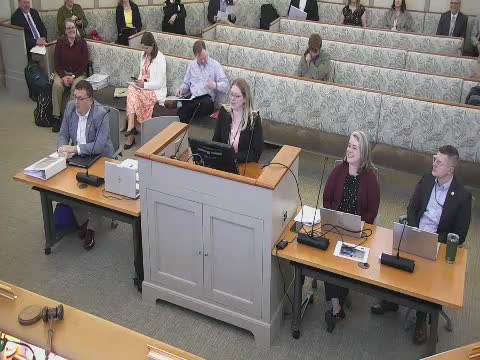
Leesburg council finalizes FY26 budget markup, delays cybersecurity hire and trims recurring spending
Summary
Leesburg Town Council members completed a final markup of the town’s proposed fiscal year 2026 budget during their meeting, taking a series of straw votes to close a $647,023 gap and reach a balanced spending plan ahead of a public hearing and formal adoption.
Leesburg Town Council members completed a final markup of the town’s proposed fiscal year 2026 budget during their meeting, taking a series of straw votes to close a $647,023 gap and reach a balanced spending plan ahead of a public hearing and formal adoption.
Town Manager: “As the mayor mentioned, we are here for the final mark up tonight of your fiscal year 20 26 proposed budget,” the town manager said, summarizing the packet and revenue assumptions. The manager noted the proposed general fund increase was about $5.5 million over the FY25 adopted budget, driven in part by $2 million tied to a recent annexation and another roughly $2 million from Compass Creek real estate receipts. The annexation funds are largely being transferred to the utilities fund to offset in‑town rates for former out‑of‑town customers, the manager added.
Why it matters: The council’s action sets the parameters the town will present at a public hearing on the real‑property tax rate and for final adoption of the FY26 budget and CIP. The votes also change staffing and program timing that affect public safety, parks, stormwater compliance and information‑technology staffing.
Most significant decisions
- Staffing and personnel: By straw vote the council agreed to remove the remaining six months (effectively eliminating) a planned senior engineer position in Community Development and to remove one of two proposed police lieutenant positions (including the one‑time vehicle cost). Those deletions reduce the proposed budget by part of the $647,023 gap and reduce the proposed staffing increase by 2 full‑time equivalents.
- Cybersecurity position: Council debated a proposed 12‑month cybersecurity officer in information technology budgeted at approximately $215,000 (compensation plus benefits). Councilmember Cummings said the town should require industry certification for a hire, stating, “I still think we need to require some sort of certification of cybersecurity.” The HR director responded that the posted job description lists multiple preferred certifications and that making certification mandatory could narrow the candidate pool. After discussion, the council did not remove the line item but instead voted to delay hiring the cybersecurity position by about five months, with the caveat that staff may hire earlier if a qualified candidate is available and funding can be covered through personnel savings.
- Programs and one‑time items: The council approved cuts or deferrals by voice vote (straw votes) including reduced outdoor pool hours, removal or deferral of consulting funding for the sustainability program, deferral of town‑hall window replacements, elimination of a proposed Lean Six Sigma project and townwide customer‑service training, reduced regional marketing for the Flower and Garden Festival and Independence Day events, and a small reduction in operating expenses at Veterans Park. The transcript records the council approving these individual line‑item changes by the straw‑vote process.
- Stormwater funding: The council voted to reduce recurring stormwater management funding by roughly $120,000 now and to add the item to a list to be funded later with computer‑equipment tax revenue expected from local data centers. Several council members cautioned that inspections and regulatory work are required and that the town must restore that recurring funding once the data‑center revenue is realized; one councilmember explicitly committed to returning the money when the revenue becomes available.
Numbers and calendar: The manager said the proposed budget included a roughly $5.5 million increase in general‑fund resources over FY25, with about $2 million from the annexation and about $2 million from Compass Creek receipts. The council heard that prior reductions (for example, eliminating a $25 vehicle license fee) had created revenue shortfalls the April markup was intended to address. Following the straw votes taken in the markup session, the manager said staff would prepare final documents for the scheduled public hearing and vote on the tax rate and adoption of the FY26 budget and CIP at the next meeting.
Discussion points and caveats
- Hiring qualifications: Debate over whether the cybersecurity position should require certifications (examples cited: CISSP, GIAC) centered on tradeoffs between requiring certification and broadening the pool to hire experienced practitioners who may not hold that certification. The HR director said the position’s posting lists certifications as preferred and that the town expects to provide a training path after hire.
- Regulatory obligations: Multiple council members and the town manager emphasized that stormwater inspection and maintenance work are mandatory, and that delaying or reducing recurring funding is a timing decision that must be revisited when the anticipated data‑center tax revenue is realized.
- Process: The council used line‑by‑line straw votes to indicate the preferences of at least four councilmembers on each item; staff will translate those straw votes into final budget documents for the formal public hearing and adoption.
What’s next: Staff will update the budget figures and present the formal FY26 budget, the proposed real‑property tax rate and the capital‑improvement program at the public hearing scheduled for the next council meeting. The council’s delay of the cybersecurity hire and the plan to backfill stormwater funding from data‑center revenue are both likely topics for follow‑up as recruitment and revenues evolve.