Get Full Government Meeting Transcripts, Videos, & Alerts Forever!
Get email alerts on the Maternal Mental Health topic
No spam. Unsubscribe anytime.
Senate file would require maternal mental health frameworks inside plans; committee lays bill over after testimony
Summary
Senate File 1085 asks health plans to establish maternal mental-health frameworks to ensure standardized screening, referrals, provider training and centralized referrals; medical experts and psychiatrists testified in support and the committee adopted an A3 technical amendment before laying the bill over for possible inclusion.
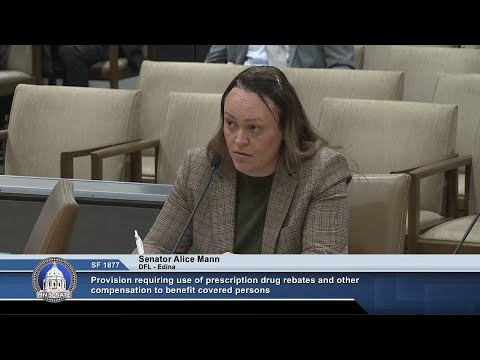
Senate File 1085, sponsored by Senator Mann, would require health plans to establish a maternal mental-health framework that standardizes screening, referral pathways, provider training and a centralized referral network to connect pregnant and postpartum women with care.
Senator Mann said the goal is to put “all hands on deck” to address maternal morbidity and mortality and mental-health disorders that contribute to maternal deaths. She noted the U.S. maternal mortality rate is high relative to other developed nations and argued that earlier screening and improved referral systems can reduce morbidity and save lives.
Dr. Sogan Ghasimi, a child and adult psychiatrist and director of a perinatal mental-health program, testified that one in five women will experience perinatal mood and anxiety disorders and that only about 25 percent receive treatment. She said untreated maternal mental-health conditions increase risks including preterm birth and impaired infant bonding and noted Minnesota had about 705 certified maternal mental-health providers with more in training.
The committee adopted an A3 amendment clarifying that plans must ensure an appropriate network of providers and clarified that the sponsor's intent remained to assure screening, referrals and provider availability rather than change who performs the screening.
Committee members and medical stakeholders emphasized network adequacy and concerns about provider access in Greater Minnesota. The bill was laid over for possible inclusion; committee members said they want to see how the framework would interact with existing coverage and examination of network capacity.
Supporters argued the measure would improve identification and timely treatment of perinatal mental-health conditions and create accountability measures tied to quality measures such as HEDIS.