Get Full Government Meeting Transcripts, Videos, & Alerts Forever!
Get email alerts on the Property Revaluation topic
No spam. Unsubscribe anytime.
Syracuse officials outline plan for citywide property revaluation and proposed GAR contract
Summary
City staff told the Syracuse City Council they plan to seek a contract with GAR Associates for a citywide property revaluation, an effort staff said could cost roughly $1.8 million to $2 million, would include broad data verification and public outreach, and could change assessed values across neighborhoods.
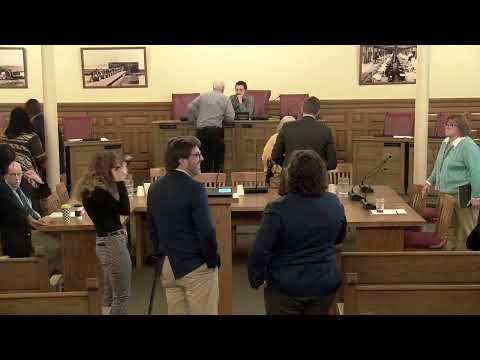
City staff told the Syracuse City Council on Oct. 27, 2025, they intend to seek approval for a contract with GAR Associates to perform a citywide property equity update, a multiyear reassessment staff said could cost about $1.8 million to $2 million.
The reassessment would update parcel-level inventory and valuations across all neighborhoods and is intended to bring the city’s level of assessment closer to the state-reported equalization rate, which staff said is currently about 57.5 percent. Assessment staff and GAR representatives described a three-phase project of data validation and verification, valuation modeling, and an expanded informal review period before the city posts a tentative roll.
“Unfortunately, this is the process. We can’t force our way into anyone’s home,” said Dave Barnett, one of the owners of GAR Associates, describing the project’s exterior-only inspection approach and the emphasis on compiling permit records, recent sales and aerial imagery. Barnett said the contractor would supply an online review option plus paper forms for property owners who lack internet access.
Commissioner (assessment office) told council that staff had carried out 16,000 property reassessments out of roughly 41,000 properties in the last two years and said the city has lost additional points in its equalization rate since its last full revaluation in the mid-1990s. “That buck stops with me,” the commissioner said when asked who would lead the project, and said staff are identifying a project manager to commit roughly 20 hours per week to liaise with the contractor.
Staff said the project’s data-validation phase would be the most labor-intensive portion. The city would rely on sales data to develop values and on recent aerial and oblique imagery, permit records, realtor listings and other public sources to validate property inventories. Barnett said GAR’s standard practice is to present property owners with the inventory the contractor has collected and give owners an opportunity to correct it before valuation modeling begins.
Officials warned residents the reassessment itself would not automatically determine tax bills; the city’s mill rate and levy decisions during a subsequent budget process affect the taxes residents pay. Staff outlined assessment calendar dates: a tentative roll is typically posted Jan. 1, a final roll is signed by March 31, and the informal grievance filing window usually opens around Jan. 17 and runs through Jan. 30 with hearings in February and sometimes into March. Staff said the city handled about 400 grievance hearings this past year and conservatively expects that number could increase substantially after a full citywide update.
Council members pressed staff on outreach and fairness for renters, seniors and residents without reliable internet access. Barnett and assessment staff said outreach would include press releases, possible staffed stations at community centers and a web portal for owners to review and submit inventory corrections; a paper-mail option would remain available for those who do not use the web.
No contract vote occurred during the discussion. Staff said they would bring a proposed contract to the council during upcoming budget hearings and provide updated cost figures; the assessment office told council the budget hearing on these figures is scheduled for the ninth of the next month.
If approved and implemented, staff said a completed, citywide reassessment could change assessed values across Syracuse’s 62 identified neighborhoods and would require ongoing staffing or retainer support to maintain parity after the contractor’s work concluded. City officials also noted state certification by the New York Office of Real Property Tax Services would remain a required step and that statutory calendar dates govern what sales and dates can be used in assessments.