Get Full Government Meeting Transcripts, Videos, & Alerts Forever!
Get email alerts on the Budget Deficit topic
No spam. Unsubscribe anytime.
Red Wing schools project $1.71 million shortfall; board debates cuts, fund-balance use
Summary
District administrators reported a projected $1.71 million budget deficit for FY 2026 and proposed using a combination of anticipated surpluses and existing fund balance to reduce the gap, prompting board debate over whether to prioritize cuts or preserve reserves.
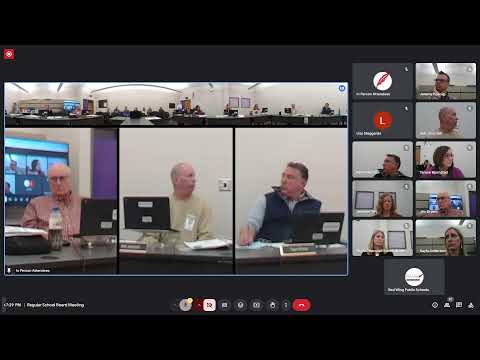
The Red Wing Public School District reported a projected $1,710,000 deficit for the upcoming fiscal year and laid out options the district plans to pursue to balance the budget, sparking extended discussion at the March 24 school board meeting.
District administrators told the board they now estimate anticipated revenues of about $39,172,000 against anticipated expenditures of about $40,872,000, leaving a deficit near $1.71 million. Administrators said they expect a surplus of approximately $500,000 in the current fiscal year and recommended using that surplus plus $500,000 of the district’s existing unassigned fund balance to reduce the projected shortfall to roughly $700,000.
“At this point, it appears, and we're actually quite confident, that we are going to end up with a surplus in the current fiscal year that's going to be around $500,000,” the superintendent said while outlining the figures. Administrators reported the unassigned fund balance was 14.97% for FY 2024, that the projected FY 2025 result would bring it to about 16.28%, and that using $500,000 now would leave a projected 14.91% unassigned fund balance in FY 2026—near the district’s target levels.
The board debated the prudence of using fund balance versus pursuing further spending cuts. Several board members urged first identifying cuts and other revenue before drawing on reserves. “I'd rather look to see what we can do for cuts and if we need to look at the fund balance,” one board member said. Another warned that using one-time fund balance now would carry forward in future budgets, making the structural deficit worse.
Administrators said the district’s budget pressures include multiple factors beyond enrollment decline, including changes in statutory employer pension contribution rates and a new paid family and medical leave program. The group explained that the Teachers Retirement Association (TRA) employer contribution would increase from 8.75% to 9.5% on July 1, and that the new paid family medical leave program would impose an estimated 0.88% payroll tax, with roughly half paid by employers—combined costs administrators said could add more than $200,000 in recurring expenditures.
Administrators and board members also discussed enrollment as a revenue driver. The superintendent said district enrollment has declined steadily since the mid-1990s and currently stands near 2,200 students, down from approximately 3,300 two decades ago, which reduces per-pupil revenue. Board members recommended an enrollment study and outreach to families who have left the district; speakers mentioned third-party firms that other districts have used for levy and community surveys.
Board members and administrators agreed on the need for a process and timeline: the preliminary budget must be approved by July 1, and administrators said they would meet with principals and directors in the coming weeks to identify potential reductions that minimize direct student impact. The administration said it would first identify roughly $1,000,000 in potential savings as a starting point and then refine options.
Why it matters: A structural budget gap of this size can affect staffing, programs and services. Board members emphasized protecting classroom teachers while acknowledging that the district may have to make difficult choices to achieve long-term fiscal stability.
Next steps: The administration will continue working with principals and program directors to identify reductions and present options to the board, with the goal of completing a preliminary budget by the July 1 statutory deadline.