Get Full Government Meeting Transcripts, Videos, & Alerts Forever!
Get email alerts on the Budget topic
No spam. Unsubscribe anytime.
Ann Arbor staff outline FY26–27 budget plan; utility rate changes proposed
Summary
City finance staff presented a two-year budget plan March 24, outlining revenue assumptions, reserve targets, one‑time uses of fund balance, staff requests and proposed utility rate increases: 6% water and 3% each for sewer and stormwater.
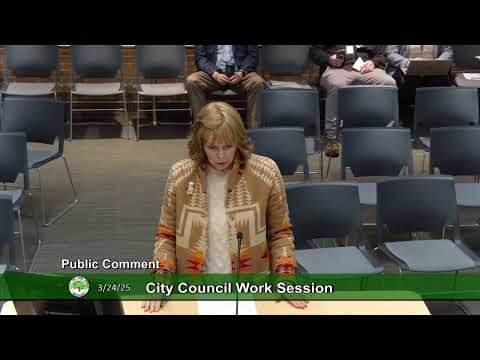
Marty Pershahn, city chief financial officer, presented the fiscal year 2026 proposed budget and the fiscal year 2027 budget plan to the Ann Arbor City Council at a March 24 work session.
Pershahn said the recommended budget follows council policy and existing funding rules and that the city plans to adopt an operating and capital budget. He summarized key policy assumptions and timelines for review: a recommended budget presentation on April 21, ordinance first readings for rate changes at that meeting, public hearings and second readings May 5, and final budget consideration on May 19.
Pershahn said the city adheres to a 15–20% general fund balance policy and funds pension and retiree healthcare at the higher of the actuarial requirement or current-year funding. He described revenue assumptions driving the proposal: an almost 6% increase in real and personal property taxable value that Pershahn estimated would yield about $5 million more in property tax revenue, modest increases in state shared revenue if enacted by the state, and a continued rebound in parking revenue. On the expense side, Pershahn identified a 6.4% personnel cost increase, a 14.2% increase in fleet costs and a roughly 5–6% rise in IT costs.
“The major revenue assumptions we move forward with in this cycle are a almost 6% increase in property tax, in real personal property taxes, which equates to about $5,000,000 increase in tax revenue,” Pershahn said.
Pershahn also described proposed one‑time uses of fund balance for capital projects while keeping reserves within policy and warned that recurring revenues and expenses tighten by FY27 and are projected to go negative beyond FY28 if trends continue. He asked the council to consider two staffing or service items: a full‑time Deputy Chief Financial Officer FTE and $40,000 for contracted payroll backup to remove a single‑point‑of‑failure in payroll processing.
Pershahn said the administration will present ordinance changes that include utility rate adjustments: a 6% increase in water rate revenue and 3% increases in both sewer and stormwater rates, with the first reading set for April 21.
The presentation also reviewed legal and procedural constraints: budgets are adopted by fund (general fund by service area), state law bars expenditures not budgeted, and different vote thresholds apply for adoption or amendments at various times in the fiscal year.
Looking ahead, Pershahn invited council questions before the April 21 proposed budget presentation and said staff will circulate answers to council inquiries during the review period.
Pershahn closed the segment by offering to take council questions on specific line items during the public review period.