Get Full Government Meeting Transcripts, Videos, & Alerts Forever!
Get email alerts on the Animal Welfare topic
No spam. Unsubscribe anytime.
Volunteers and rescues urge Charlotte to expand animal‑shelter capacity, tighten breeder rules
Summary
Multiple volunteers and rescue groups told council the municipal animal shelter is overcrowded and underfunded. Speakers urged the city to fund a larger shelter, make animal care and control a standalone department, and adopt stronger breeder and sales regulations.
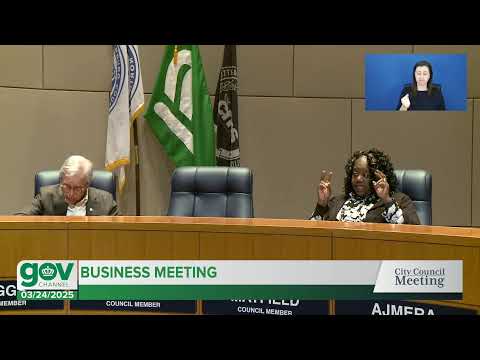
Several volunteers, foster caregivers and rescue leaders addressed Charlotte City Council during the March 24 public forum to describe severe overcrowding at Charlotte Animal Care and Control and to urge policy and funding changes.
Speakers including Elena Cepoveli (volunteer), Anna Radcliffe (Tree Charlotte volunteer and rescue advocate), and Kristen Zarrakis (rescue coordinator) described situations in which shelter intake outpaced capacity: Radcliffe said that in January 2025 the shelter had a month in which “601 dogs were euthanized” (as stated in her remarks) and that as of March 10, 2025 the shelter held 456 dogs. Speakers told council volunteers and rescues were responding to repeated emergency surrenders (Radcliffe described nine cages placed outside the shelter on one morning) and that rescues were unable to “foster our way out” of the problem because the volume and staff shortages were too great.
Speakers asked council to consider a series of policy and funding steps, including: - Additional local funding for shelter capacity, veterinary staff, and rescue support; - Making Animal Care and Control an independent city department (to streamline decision making and staffing); - Passing local legislation to ban retail pet/puppy‑mill sales and require registration and oversight of breeders; - Requiring breeder limits (litters per female per year), mandatory vaccinations and strengthened adoption screening for breeders; - Stronger penalties for animal cruelty, bans on tethering and more enforcement resources.
Rescue leaders and volunteers said the current gaps were negatively affecting animals, volunteers and the volunteer labor pool; they framed the asks as both humane and fiscally prudent because preventing euthanasia and increasing adoptions reduces long‑term costs. Speakers also requested clearer city communications and better coordination between the municipal shelter and rescue organizations.
Council did not take a vote on policy at the meeting; volunteers and rescue leaders requested follow‑up from staff. The speakers named in public comment urged immediate funding, temporary intake relief measures and a longer‑term plan for a larger, better‑resourced facility.
Why this matters: shelter crowding and euthanasia decisions are a frequent source of civic concern. The public testimony quantified intake pressures and requested both operational changes and legislative steps to reduce supply pressures (retail sales, breeder oversight) and increase shelter capacity and staffing.
Provenance: public‑comment segment, March 24 council meeting.