Get Full Government Meeting Transcripts, Videos, & Alerts Forever!
Get email alerts on the Election Administration topic
No spam. Unsubscribe anytime.
Omnibus election bill (House Bill 16‑79) draws mixed response on school closures, redistricting and recount costs
Summary
House Bill 16‑79 collects dozens of election‑administration changes, including school closure rules for polling places, clerk office election‑day priorities, paid leave for poll workers, local redistricting deadlines and a requirement that petitioners pay recount costs when the margin exceeds 10 percent.
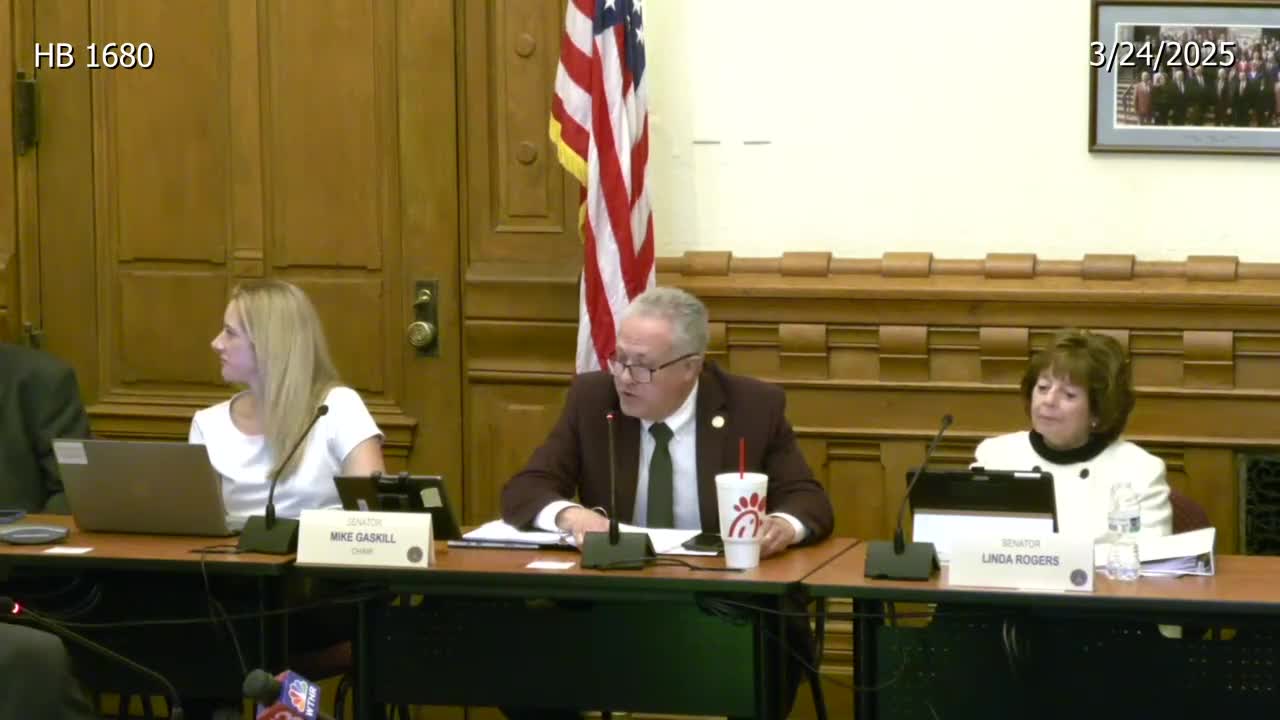
Senate Elections Committee heard testimony on House Bill 16‑79, a comprehensive elections omnibus that contains dozens of provisions affecting poll operations, voter maintenance, local redistricting, recount procedures and other election administration details.
The bill's sponsors said it addresses recurring operational questions raised by counties and election officials and implements several technical and policy changes. Key provisions discussed at the hearing include:
- Closure rules: Elementary schools used as polling places would be closed on Election Day (middle and high schools could stay open when facilities are segregated from voting operations). Circuit court clerks' offices would be closed for non‑election business on Election Day to focus on election duties.
- Paid leave: The bill would authorize paid leave for local government employees who work polls, intended to help counties recruit poll workers.
- Redistricting and deadlines: It would continue a practice that requires local governments to address redistricting after decennial census releases; an amendment in the House set a June 29, 2031 deadline for local redistricting steps, language that witnesses said may need refinement given timing of census releases and municipal election cycles.
- Voter‑list maintenance cadence: The bill directs regular voter‑list maintenance outside the freeze period and would require counties to provide updates; witnesses urged clarity on acceptable data sources and warned against micromanaging counties with excessive reporting frequency.
- Recounts: The bill would require a petitioner to pay recount costs when a requested recount shows the original winner prevailed by more than 10 percent of the votes cast; proponents said this discourages meritless recounts that impose state costs.
County clerks and associations largely supported many operational clarifications but asked for technical fixes. Nicole Brown, Monroe County Clerk and chair of the clerks' legislative committee, praised a change to the presidential certification date that would give clerks more time to send overseas and military ballots.
Election advocates and the Democratic co‑director of the Election Division raised other concerns. Angie Nussmeier flagged a provision on county election board chairs that an attorney advised could be read to mean a party holds the chair permanently after a date in the bill; she urged clearer drafting. She also expressed concerns about voter‑list maintenance language that would permit action based on hearsay and the workload and legal traps of forcing 30‑day reporting cycles.
The Association of Indiana Counties and county clerks supported many provisions but asked for clarification and caution in deadlines tied to census data. League of Women Voters and other witnesses supported some sections (school closures, clerk office closures) and opposed or sought changes to other sections (voter address rules, list‑maintenance frequency).
Chair comments: the committee held the bill for amendment and vote next week. Sponsors and stakeholders have one week to reconcile technical language and address concerns about redistricting timing, voter‑list maintenance sources, and the proposed recount cost threshold.