Get Full Government Meeting Transcripts, Videos, & Alerts Forever!
Get email alerts on the Lunar New Year Holiday topic
No spam. Unsubscribe anytime.
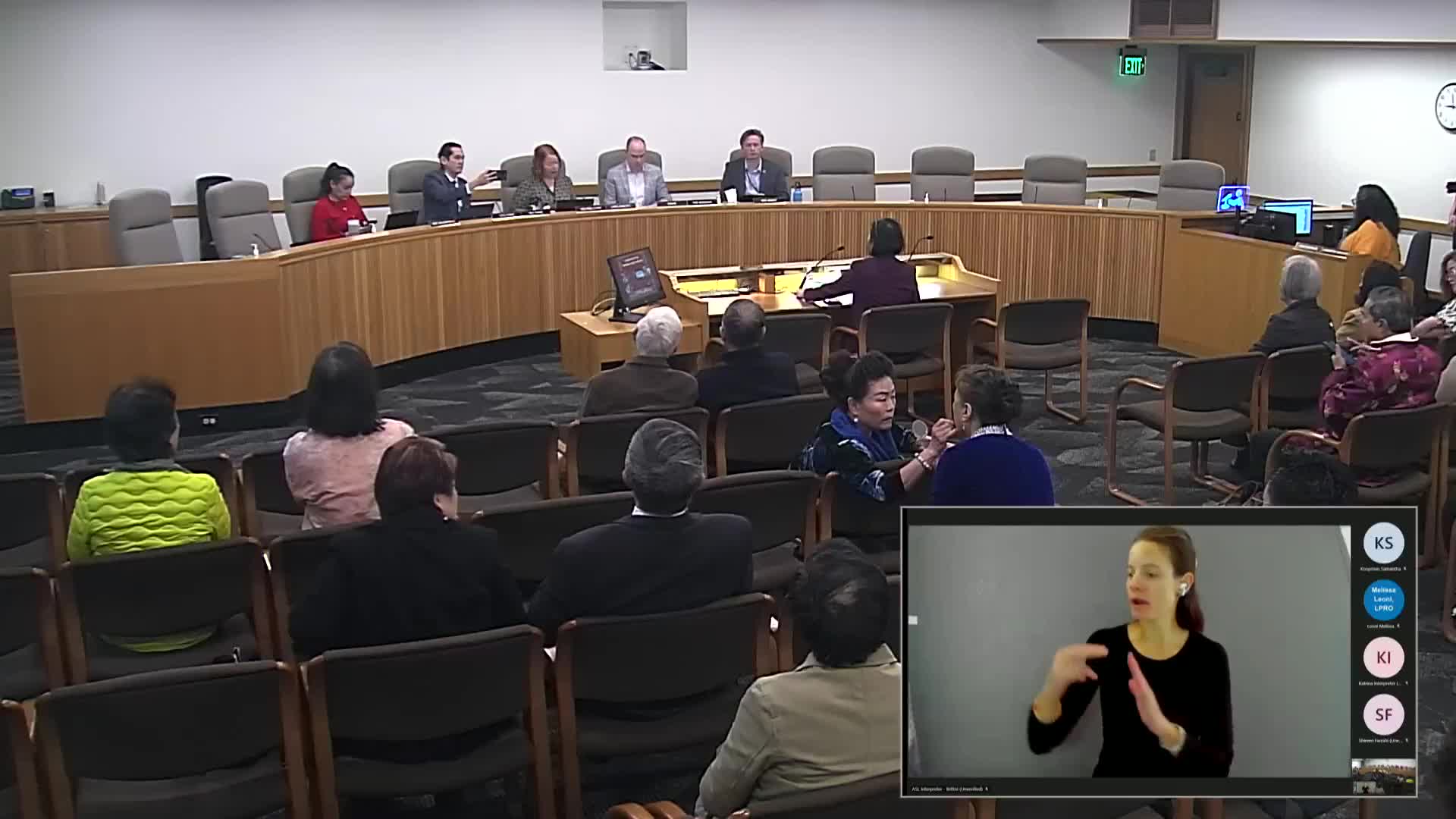
Committee hears broad community support for making Lunar New Year a state holiday
Summary
The House Rules Committee heard more than a dozen witnesses March 24 backing House Bill 3,595 to recognize Lunar New Year as a state legal holiday (staff and sponsor indicated an amendment to make it optional paid leave); testimony stressed cultural, familial and economic reasons and urged support.
The House Rules Committee held a lengthy public hearing March 24 on House Bill 3,595, which would add Lunar New Year to Oregon's list of holidays under ORS 197.010 (as introduced) and, as initially drafted, make it a paid state holiday for state employees. Representative Thuy Tran (House District 45) introduced the bill and said an amendment was forthcoming to make the holiday a legal observance that employers could opt to pay or not pay.
More than a dozen witnesses testified in favor representing Korean, Chinese, Vietnamese and broader Asian and Pacific Islander communities, community organizations, students and business advocates. Testimony emphasized three consistent themes: family and cultural continuity, economic benefit to local businesses and agriculture, and recognition of immigrant contributions to Oregon.
Edward Kimmy (representing the Korean American community) described Seollal traditions and noted the holiday strengthens family and local economic activity. Jennifer Si, representing the United Chinese Association of Oregon, highlighted the holiday's 4,000‑year history in some cultures and its role in family reunions and festivals; Iris Zhao (Chinese Friendship Association of Portland) and Hardy Li (United Chinese Americans) emphasized cultural recognition and potential tourism and business benefits, citing examples of major cities that have used Lunar New Year celebrations to boost local economies.
Lan Pham (Vietnamese community leader) and other Vietnamese witnesses noted the holiday's special significance as Tết and urged the committee to recognize it as a state holiday, paid or unpaid, and highlighted Oregon's sizable Vietnamese and broader Asian populations. Student testimony from Ophelia Lu described the family and school impacts when Lunar New Year falls on a weekday and urged official recognition so families can observe traditions without work or school conflicts.
Representative Tran said the committee was considering an amendment that would make Lunar New Year a legal holiday but leave employer pay decisions to employers; she urged the committee to support the amended approach. The committee did not record a final vote on HB 3,595 during the March 24 meeting; the hearing closed after consecutive panels testified.